


J.S.Lee’s scientific thought and the pioneering of China’s offshore oil industry (1954–1971): A study based on archival research and strategic practice
-
摘要: 新中国成立前,“中国贫油论”在学术界盛行,中国石油勘探陷入理论认知与实践探索的双重困境。李四光运用地质力学理论,系统阐释中国构造体系的基本框架与核心特征,基于新华夏构造体系对中国东部油气资源的控制规律,提出“东西兼顾、陆海并举”的战略部署思路,确立“先找油区,再找油田”的勘探指导思想,构建起一整套科学完备的石油普查勘探方法论体系。大庆油田取得突破性进展后,李四光进一步部署“由陆及海”的渐进式策略,以渤海为起点,对中国全海域油气勘探布局进行系统规划,发出“向海洋进军”的战略号召,为中国海洋石油事业的起步与发展奠定了坚实的理论根基与实践基础。文章依托1954至1971年间李四光的书信、手稿、讲话、著作等珍贵史料,全面梳理其指导中国海洋石油勘探的完整实践历程,为理解科技自立自强、保障能源资源安全等国家战略的内在逻辑,提供重要的历史参照。Abstract:
Objective During the 1950s, the prevalent presumption that China was oil-poor constrained its exploration efforts and hindered its oil exploitation. Methods Based on historical materials such as letters, manuscripts, speeches, and works by J.S.Lee during his tenure as Minister of Geology from 1954 to 1971, this paper comprehensively outlines the complete practical course of his guidance for China's offshore oil exploration. Results Based on his analysis of the Neocathaysian structural system, J.S.Lee proposed a strategy of "balanced development between eastern and western regions, with simultaneous advances on land and at sea." He also used the principle of "Find the oil region first, then locate the oil field," thereby putting into practice a comprehensive system for petroleum survey and exploration. Conclusions Following the breakthrough at the Daqing Oil Field, J.S.Lee personally oversaw the formulation of a progressive "from land to sea" strategy. Starting with the Bohai Sea, he systematically planned the layout for oil and gas exploration across China's entire maritime territory and issued the strategic call to "march toward the ocean." [Significance] This paper provides an important historical reference for understanding the logical implications of national strategies such as achieving self-reliance and self-improvement in science and technology and ensuring energy and resource security. -
Key words:
- J.S.Lee /
- geomechanics /
- Neocathaysian structural system /
- offshore oil /
- from land to sea
-
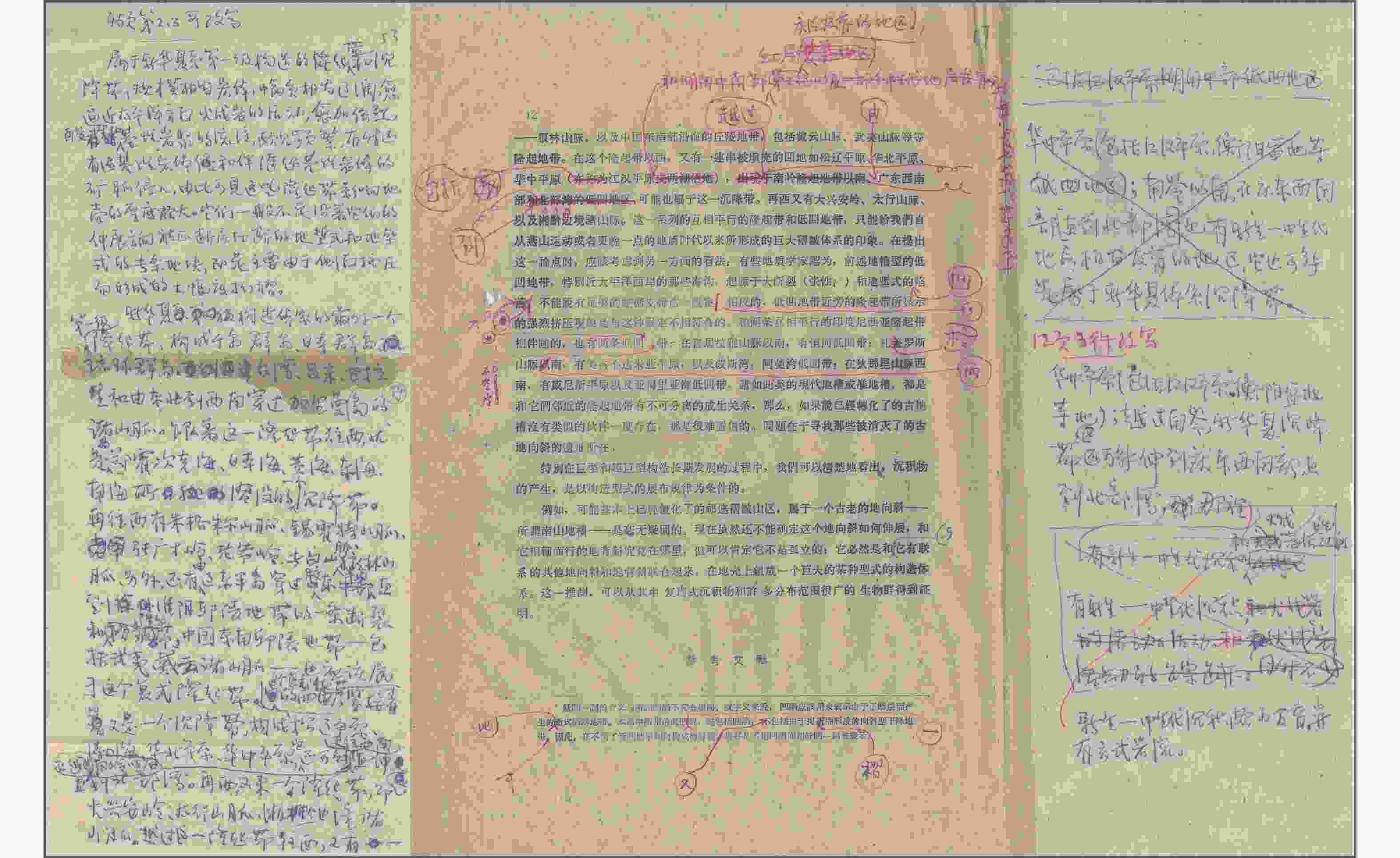
图 1 1961年,李四光《地质力学概论》中关于新华夏构造体系论述的手稿及修改稿
Figure 1. In 1961, the manuscript and revised drafts of the discussion on the Neocathaysian structural system in Introduction to Geomechanics by J.S.Lee

图 2 中国大陆及邻区海域构造体系及油区分布示意图(底图据孙殿卿,1978清绘)
1—纬向构造体系 2—经向构造体系 3—华夏系 4—新华夏系 5—西域系(古河西系)6—河西系 7—青藏滇缅反S型构造 8—山字型及弧形构造 9—其他构造 10—多字型盆地 11—油区 12—新华夏构造体系控制的油区
Figure 2. Schematic map of tectonic systems and distribution of oil regions in the Chinese mainland and its adjacent sea areas (Base map was redrawn from Sun, 1978)
1—Latitudinal Tectonic System; 2—Longitudinal Tectonic System; 3—Cathaysian System; 4—Neocathaysian System; 5—Western Regions System (Paleo-Hexi System); 6—Hexi System; 7—Qinghai–Tibet–Yunnan–Myanmar Inverse S-shaped Structure 8—Epsilon‑type and arcuate structures; 9—Other structures; 10—Multidirectional Basin Systems; 11—Petroleum Provinces; 12—Petroleum Provinces controlled by the Neocathaysian Tectonic System
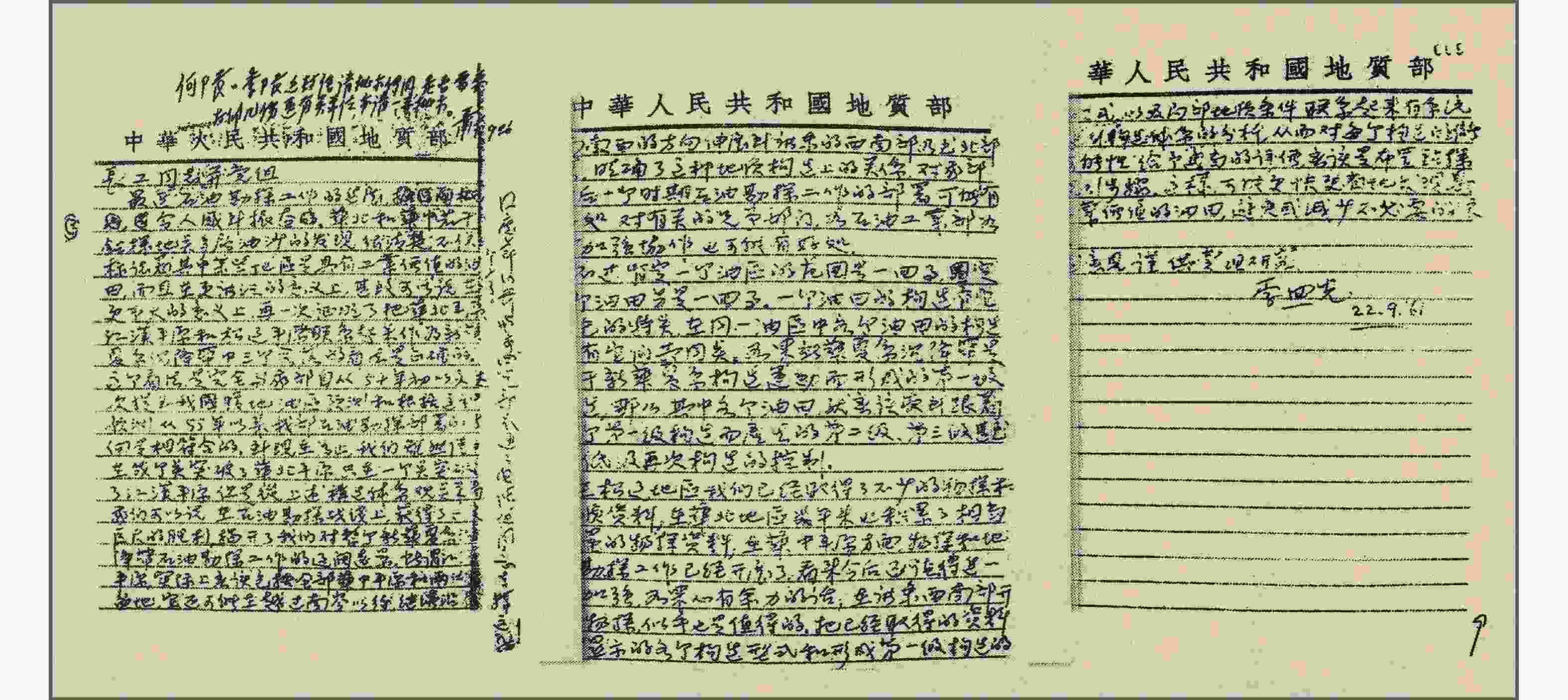
图 3 1961年9月,李四光关于石油问题给地质部何长工同志并地质部党组的信(马胜云等,2012)
Figure 3. Letter from J.S.Lee to Comrade He Changgong and the Party Leadership Group of the Ministry of Geology regarding petroleum issues, September 1961 (Ma et al., 2012)

图 4 1961年10月,地质部党组转送李富春、薄一波并呈周恩来的信(马胜云等,2012)
Figure 4. Letter forwarded by the Party Leadership Group of the Ministry of Geology to Li Fuchun and Bo Yibo, submitted to Zhou Enlai, October 1961(Ma et al, 2012)
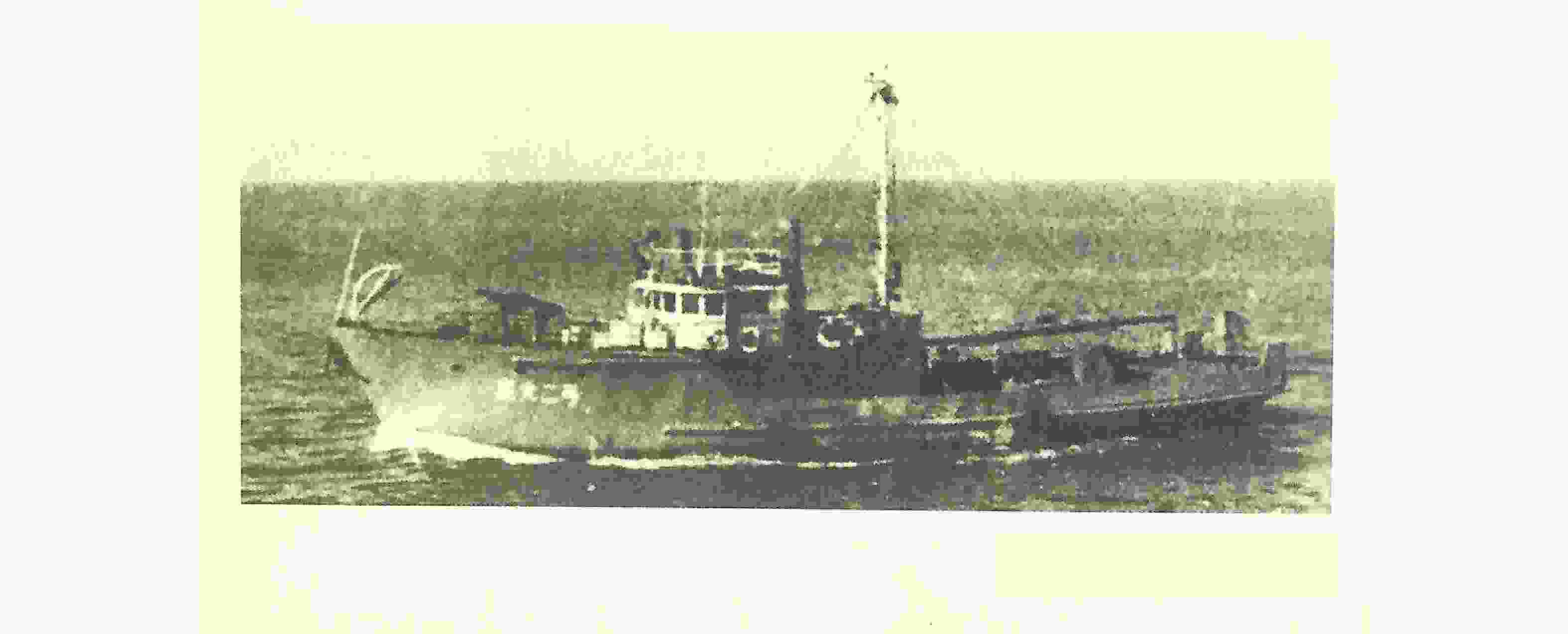
图 5 1963年,“星火二号”调查船在渤海作业(《地质老照片》编委会,2004)
Figure 5. Survey Vessel Xinghuo II operating in the Bohai Sea, 1963 (Editorial Committee of Old Photos of Geology, 2004)
-
[1] CHEN C, 1996. History chooses Zhanjiang: the inevitability of the formation of Zhanjiang's port strategy[J]. Guangdong Party History(S1): 27-32. (in Chinese) [2] CHEN Q, DUAN W T, ZHANG X G, et al. , 2009. Biography of J. S. Lee[M]. Beijing: People's Publishing House. (in Chinese) [3] China Geological Survey, Ministry of Land and Resources, 2000. Chronicle of marine geological survey in China (1949-1999)[M]. Beijing: Ocean Press. (in Chinese) [4] Editorial Committee of “Old Photos of Geology”, 2004. Old photos of geology[M]. Beijing: Geological Publishing House. (in Chinese) [5] Editorial Department of “Contemporary China” Series, 1990. Geological undertakings in contemporary China[M]. Beijing: China Social Sciences Press. (in Chinese) [6] Editorial Department of “Exploration and Discovery of Oil and Natural Gas in China”, 1992. Exploration and discovery of oil and natural gas in China[M]. Beijing: Geological Publishing House. (in Chinese) [7] General Office of the Ministry of Fuel Industry of the People's Republic of China, 1955-02-22. Report by the Ministry of Fuel Industry, the Ministry of Geology, and the Academy of Sciences on the Division of Labor Methods for Conducting Petroleum Exploration[A]. Central Archives: G121-001-0057-0002. (in Chinese) [8] HE C G, 1987. Memoirs of He Changgong[M]. Beijing: People's Liberation Army Publishing House. (in Chinese) [9] LEE J S, 1928. the fuel problem[M]//LEE J S. Collected scientific works of J. S. Lee(in 2021), Vol. 8, geomechanics in practice (II). Beijing: Geological Publishing House: 48. (in Chinese) [10] LEE J S, 1939. the geology of China[M]//LEE J S. Collected scientific works of J. S. Lee(in 2021), Vol. 3, the geology of China. Beijing: Geological Publishing House: 203-204. (in Chinese) [11] LEE J S, 1955. Prospects for Petroleum Resource Exploration in China from the Perspective of Geotectonics [M] //LEE J S. Collected scientific works of J. S. Lee(in 2021), Vol. 8, geomechanics in practice (II). Beijing: Geological Publishing House: 170-171. (in Chinese) [12] LEE J S, 1956a. issues of crustal movement[M]//LEE J S. Collected scientific works of J. S. Lee(in 2021), Vol. 1, geomechanics (I). Beijing: Geological Publishing House: 523. (in Chinese) [13] LEE J S, 1956b. letter to comrade Chen Yun on the petroleum issue[M]//LEE J S. Collected scientific works of J. S. Lee(in 2021), Vol. 8, geomechanics in practice (II). Beijing: Geological Publishing House: 172-173. (in Chinese) [14] LEE J S, 1959. on the current direction of petroleum reconnaissance and exploration (Dec. 1959)[M]//LEE J S. Collected scientific works of J. S. Lee(in 2021), Vol. 9, collection of speeches . Beijing: Geological Publishing House: 1-2. (in Chinese) [15] LEE J S, 1961. letter to comrade He Changgong and the party leadership group of the ministry of geology on the petroleum issue[M] //LEE J S. Collected scientific works of J. S. Lee(in 2021), Vol. 8, geomechanics in practice (II). Beijing: Geological Publishing House: 293-294. (in Chinese) [16] LEE J S, 1965a. opinions on current petroleum geological work (Apr. 2, 1965)[M]//LEE J S. Collected scientific works of J. S. Lee(in 2021), Vol. 9, collection of speeches . Beijing: Geological Publishing House: 2-6. (in Chinese) [17] LEE J S, 1965b. on further developing petroleum geological work in the Bohai Sea area (Dec. 29, 1965)[M]//LEE J S. Collected scientific works of J. S. Lee(in 2021), Vol. 9, collection of speeches . Beijing: Geological Publishing House: 6-7. (in Chinese) [18] LEE J S, 1968a. conversation during a briefing on work in the Jianghan Plain (Nov. 1, 1968)[M]//LEE J S. Collected scientific works of J. S. Lee(in 2021), Vol. 9, collection of speeches . Beijing: Geological Publishing House: 7-9. (in Chinese) [19] LEE J S, 1968b. on the direction and tasks of marine work (Jun. 6, 1968)[M]//LEE J S. Collected scientific works of J. S. Lee(in 2021), Vol. 9, collection of speeches . Beijing: Geological Publishing House: 42. (in Chinese) [20] LEE J S, 1969a. conversation during the ministry of petroleum's introduction to petroleum geological work (Feb. 11, 1969)[M]//LEE J S. Collected scientific works of J. S. Lee(in 2021), Vol. 9, collection of speeches . Beijing: Geological Publishing House: 18-19. (in Chinese) [21] LEE J S, 1969b. conversation when listening to the petroleum geological work plan for the tarim basin (Jul. 11, 1969)[M]//LEE J S. Collected scientific works of J. S. Lee(in 2021), Vol. 9, collection of speeches . Beijing: Geological Publishing House: 21-24. (in Chinese) [22] LEE J S, 1969c. conversation when studying petroleum geological work plans with the production team of the ministry of geology (Feb. 5, 1969)[M]//LEE J S. Collected scientific works of J. S. Lee(in 2021), Vol. 9, collection of speeches . Beijing: Geological Publishing House: 15-18. (in Chinese) [23] LEE J S, 1969d. opinions on petroleum geological work in the Shaanxi-Gansu-Ningxia Basin (Aug. 22, 1969)[M]//LEE J S. Collected scientific works of J. S. Lee(in 2021), Vol. 9, collection of speeches . Beijing: Geological Publishing House: 25-27. (in Chinese) [24] LEE J S, 1969e. on planning issues for petroleum geological work (May 17, 1969)[M]//LEE J S. Collected scientific works of J. S. Lee(in 2021), Vol. 9, collection of speeches . Beijing: Geological Publishing House: 19-20. (in Chinese) [25] LEE J S, 1969f. conversation at the ministry of geology's petroleum planning symposium (May 25, 1969)[M]//LEE J S. Collected scientific works of J. S. Lee(in 2021), Vol. 9, collection of speeches . Beijing: Geological Publishing House: 20-21. (in Chinese) [26] LEE J S, 1970a. speech at a meeting with comrades from the ministry of geology's petroleum comprehensive research team (Nov. 24, 1970)[M]//LEE J S. Collected scientific works of J. S. Lee(in 2021), Vol. 9, collection of speeches . Beijing: Geological Publishing House: 36-40. (in Chinese) [27] LEE J S, 1970b. on offshore oil search in the Beibu Gulf (Apr. 22, 1970)[M]//LEE J S. Collected scientific works of J. S. Lee(in 2021), Vol. 9, collection of speeches . Beijing: Geological Publishing House: 33-34. (in Chinese) [28] LEE J S, 1970c. conversation on petroleum geological work in East China (Mar. 17, 1970)[M]//LEE J S. Collected scientific works of J. S. Lee(in 2021), Vol. 9, collection of speeches . Beijing: Geological Publishing House: 30-31. (in Chinese) [29] LEE J S, 1970d. on oil search in Guangdong (II) (Apr. 24, 1970)[M]//LEE J S. Collected scientific works of J. S. Lee(in 2021), Vol. 9, collection of speeches . Beijing: Geological Publishing House: 34-35. (in Chinese) [30] LEE J S, 1970e. on oil search in Guangdong (I) (Apr. 9, 1970)[M]. //LEE J S. Collected scientific works of J. S. Lee(in 2021), Vol. 9, collection of speeches . Beijing: Geological Publishing House: 32-33. (in Chinese) [31] LEE J S, 1970f. on oil search in Guangdong (III) (May 27, 1970)[M]//LEE J S. Collected scientific works of J. S. Lee(in 2021), Vol. 9, collection of speeches . Beijing: Geological Publishing House: 35-36. (in Chinese) [32] LEE J S, 1971. conversation on Bohai geological structure and petroleum geological work (Apr. 20, 1971)[M]//LEE J S. Collected scientific works of J. S. Lee(in 2021), Vol. 9, collection of speeches . Beijing: Geological Publishing House: 40-41. (in Chinese) [33] LEE J S, 1972. A Summary of Astronomical, Geological and Paleontological Data (Preliminary Draft) [M]. Beijing: Science Press. (in Chinese) [34] LEE J S, 1973. introduction to geomechanics[M]//LEE J S. Collected scientific works of J. S. Lee(in 2021), Vol. 2, geomechanics (II). Beijing: Geological Publishing House: 44-45. (in Chinese) [35] LIU S L, REN W, YANG L J, 2025-12-29(04). Sixty years of cultivation reflect the deep blue sea and a loyal heart; party building leads the way in building a nation through energy: Bohai oilfield achieves 40 million tons of oil and gas production[N]. Tianjin Daily. (in Chinese) [36] MA S Y, MA Y, MA L, 2011. Chronological biography of J. S. Lee (continued)[M]. Beijing: Geological Publishing House. (in Chinese) [37] MA S Y, MA Y, MA J, 2012. J. S. Lee and his times[M]. Beijing: Science Press. (in Chinese) [38] Research Society of Figures in the History of the Communist Party of China, 2000. Biographies of figures in the history of the communist party of China[M]. Beijing: Central Party Literature Press. (in Chinese) [39] SUN D Q, 1976. Application of Geomechanics in Petroleum Survey and Exploration in China [M]// Institute of Geomechanics, Chinese Academy of Geological Sciences. Selected Works of Sun Dianqing(in 2000). Beijing: Seismological Press: 349. (in Chinese) [40] SUN D Q, 1978. Guiding Principles of Geomechanics in Petroleum Survey and Exploration in China [M]//Institute of Geomechanics, Chinese Academy of Geological Sciences. Selected Works of Sun Dianqing(in 2000). Beijing: Seismological Press: 355-361. (in Chinese) [41] XU C G, FAN C W, 2021. New exploration progress and thinking of offshore large-medium-sized oil and gas fields in the western South China Sea[J]. China Offshore Oil and Gas, 33(2): 13-25. (in Chinese with English abstract) [42] XU C G, GAO Y D, ZHANG J W, et al., 2025. Recent exploration situation, insights, and development strategy of CNOOC[J]. China Offshore Oil and Gas, 37(2): 1-13. (in Chinese with English abstract) [43] LI R S, WANG Z M, 2025. Development and Achievements of New China's Petroleum Industry[J]. International Petroleum Economics, 33(09): 1-9. (in Chinese with English abstract) doi: 10.4324/9780429050312-7 [44] 陈充, 1996. 历史选择了湛江: 湛江港口战略形成的必然性[J]. 广东党史(S1): 27-32. [45] 陈群, 段万倜, 张祥光, 等, 2009. 李四光传[M]. 北京: 人民出版社. [46] 《当代中国》丛书编辑部, 1990. 当代中国的地质事业[M]. 北京: 中国社会科学出版社. [47] 《地质老照片》编委会, 2004. 地质老照片[M]. 北京: 地质出版社. [48] 国土资源部中国地质调查局, 2000. 新中国海洋地质工作大事记(1949~1999)[M]. 北京: 海洋出版社. [49] 李四光, 1928. 燃料的问题[M]//李四光. 李四光科学论著集(2021年): 第八卷: 地质力学实践(二). 北京: 地质出版社: 48. [50] 李四光, 1939. 中国地质学[M]//李四光. 李四光科学论著集(2021年): 第三卷: 中国地质学. 北京: 地质出版社: 203-204. [51] 李四光, 1955. 从大地构造看我国石油资源勘探的远景[M]//李四光. 李四光科学论著集(2021年): 第八卷: 地质力学实践(二). 北京: 地质出版社: 170-171. [52] 李四光, 1956a. 地壳运动问题[M]//李四光. 李四光科学论著集(2021年): 第一卷: 地质力学(一). 北京: 地质出版社: 523. [53] 李四光, 1956b. 关于石油问题给陈云同志的信[M]//李四光. 李四光科学论著集(2021年): 第八卷: 地质力学实践(二). 北京: 地质出版社: 172-173. [54] 李四光, 1959. 谈当前的石油普查和勘探方向(1959.12)[M]//李四光. 李四光科学论著集(2021年): 第九卷: 讲话辑丛. 北京: 地质出版社: 1-2. [55] 李四光, 1961. 关于石油问题给地质部何长工同志并党组的信[M]//李四光. 李四光科学论著集(2021年): 第八卷: 地质力学实践(二). 北京: 地质出版社: 293-294. [56] 李四光, 1965a. 对当前石油地质工作的意见(1965.4. 2)[M]//李四光. 李四光科学论著集(2021年): 第九卷: 讲话辑丛. 北京: 地质出版社: 2-6. [57] 李四光, 1965b. 谈进一步开展渤海海区石油地质工作的问题(1965.12. 29)[M]//李四光. 李四光科学论著集(2021年): 第九卷: 讲话辑丛. 北京: 地质出版社: 6-7. [58] 李四光, 1968a. 听取江汉平原工作汇报时的谈话(1968.11. 1)[M]//李四光. 李四光科学论著集(2021年): 第九卷: 讲话辑丛. 北京: 地质出版社: 7-9. [59] 李四光, 1968b. 谈海洋工作的方向与任务(1968.6. 6)[M]//李四光. 李四光科学论著集(2021年): 第九卷: 讲话辑丛. 北京: 地质出版社: 42. [60] 李四光, 1969a. 听取石油部介绍石油地质工作是的谈话(1969.2. 11)[M]//李四光. 李四光科学论著集(2021年): 第九卷: 讲话辑丛. 北京: 地质出版社: 18-19. [61] 李四光, 1969b. 听取塔里木盆地石油地质工作计划时谈话(1969.7. 11)[M]//李四光. 李四光科学论著集(2021年): 第九卷: 讲话辑丛. 北京: 地质出版社: 21-24. [62] 李四光, 1969c. 与地质部生产组研究石油地质工作规划时的谈话(1969.2. 5)[M]//李四光. 李四光科学论著集(2021年): 第九卷: 讲话辑丛. 北京: 地质出版社: 15-18. [63] 李四光, 1969d. 对陕甘宁盆地石油地质工作的意见(1969.8. 22)[M]//李四光. 李四光科学论著集(2021年): 第九卷: 讲话辑丛. 北京: 地质出版社: 25-27. [64] 李四光, 1969e. 谈石油地质工作的规划问题(1969.5. 17)[M]//李四光. 李四光科学论著集(2021年): 第九卷: 讲话辑丛. 北京: 地质出版社: 19-20. [65] 李四光, 1969f. 在地质部石油计划座谈会上的谈话(1969.5. 25)[M]//李四光. 李四光科学论著集(2021年): 第九卷: 讲话辑丛. 北京: 地质出版社: 20-21. [66] 李四光, 1970a. 会见地质部石油综合研究大队同志时的讲话(1970.11. 24)[M]//李四光. 李四光科学论著集: 第九卷: 讲话辑丛. 北京: 地质出版社: 36-40. [67] 李四光, 1970b. 谈北部湾海上找油问题(1970.4. 22)[M]//李四光. 李四光科学论著集(2021年): 第九卷: 讲话辑丛. 北京: 地质出版社: 33-34. [68] 李四光, 1970c. 关于华东石油地质工作的谈话(1970.3. 17)[M]//李四光. 李四光科学论著集(2021年): 第九卷: 讲话辑丛. 北京: 地质出版社: 30-31. [69] 李四光, 1970d. 谈广东找油问题(二)(1970.4. 24)[M]//李四光. 李四光科学论著集(2021年): 第九卷: 讲话辑丛. 北京: 地质出版社: 34-35. [70] 李四光, 1970e. 谈广东找油问题(一)(1970.4. 9)[M]//李四光. 李四光科学论著集(2021年): 第九卷: 讲话辑丛. 北京: 地质出版社: 32-33. [71] 李四光, 1970f. 谈广东找油问题(三)(1970.5. 27)[M]//李四光. 李四光科学论著集(2021年): 第九卷: 讲话辑丛. 北京: 地质出版社: 35-36. [72] 李四光, 1971. 关于渤海地质构造与石油地质工作的谈话(1971.4. 20)[M]//李四光. 李四光科学论著集(2021年): 第九卷: 讲话辑丛. 北京: 地质出版社: 40-41. [73] 何长工, 1987. 何长工回忆录[M]. 北京: 解放军出版社. [74] 李四光, 1972. 天文·地质·古生物资料摘要(初稿)[M]. 北京: 科学出版社. [75] 李四光, 1973. 地质力学概论[M]//李四光. 李四光科学论著集(2021年): 第二卷: 地质力学(二). 北京: 地质出版社: 44-45. [76] 刘双龙, 任文, 杨林锦, 2025-12-29(04). 甲子耕耘映碧海丹心 党建领航铸能源报国: 渤海油田实现油气上产4000万吨[N]. 天津日报. [77] 马胜云, 马越, 马兰, 2011. 李四光年谱续编[M]. 北京: 地质出版社. [78] 马胜云, 马越, 马进, 2012. 李四光和他的时代[M]. 北京: 科学出版社. [79] 孙殿卿, 1976. 地质力学在中国石油普查勘探中的应用[M]//中国地质科学院地质力学研究所. 孙殿卿著作选集(2000年). 北京: 地震出版社349. [80] 孙殿卿, 1978. 地质力学在中国石油普查勘探中的指导思想[M]//中国地质科学院地质力学研究所. 孙殿卿著作选集(2000年). 北京: 地震出版社355-361. [81] 徐长贵, 范彩伟, 2021. 南海西部近海大中型油气田勘探新进展与思考[J]. 中国海上油气, 33(2): 13-25. [82] 徐长贵, 高阳东, 张锦伟, 等, 2025. 中国海油近期勘探形势、启示与发展战略[J]. 中国海上油气, 37(2): 1-13. [83] 中共党史人物研究会, 2000. 中共党史人物传[M]. 北京: 中央文献出版社. [84] 《中国石油天然气的勘察与发现》编辑部, 1992. 中国石油天然气的勘查与发现[M]. 北京: 地质出版社. [85] 中华人民共和国燃料工业部办公厅, 1955-02-22. 燃料部、地质部和科学院关于进行石油勘探的分工办法的报告[A]. 中央档案馆: G121-001-0057-0002. [86] 李润生, 王志明, 2025. 新中国石油工业的发展历程与成就[J]. 国际石油经济, 33(09): 1-9 doi: 10.3969/j.issn.1004-7298.2025.09.001 -

 下载:
下载:




计量
- 文章访问数: 1362
- HTML全文浏览量: 194
- PDF下载量: 169
- 被引次数: 0
