


Diffusion coefficients and multi-scale diffusion models of shale oil and gas
-
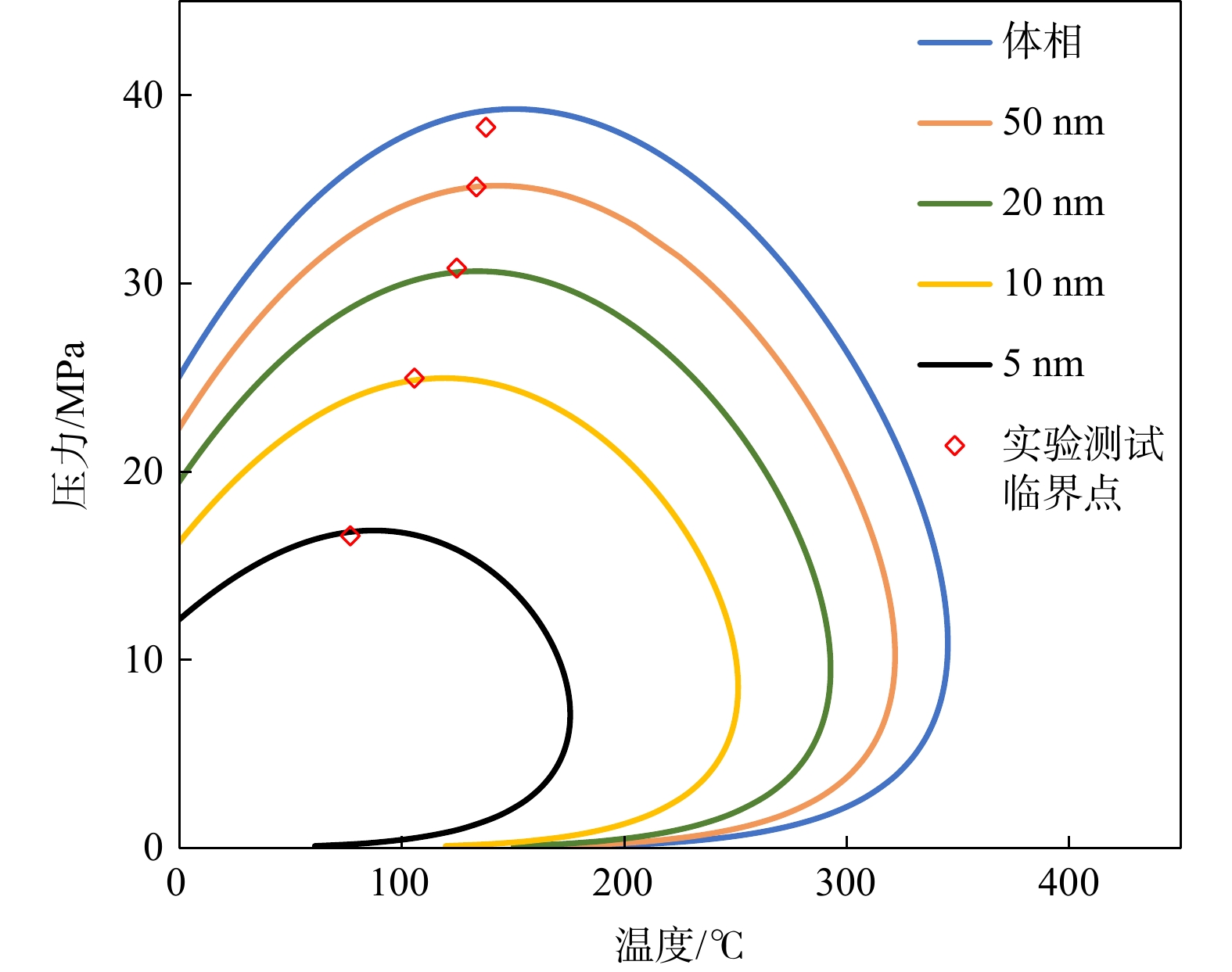
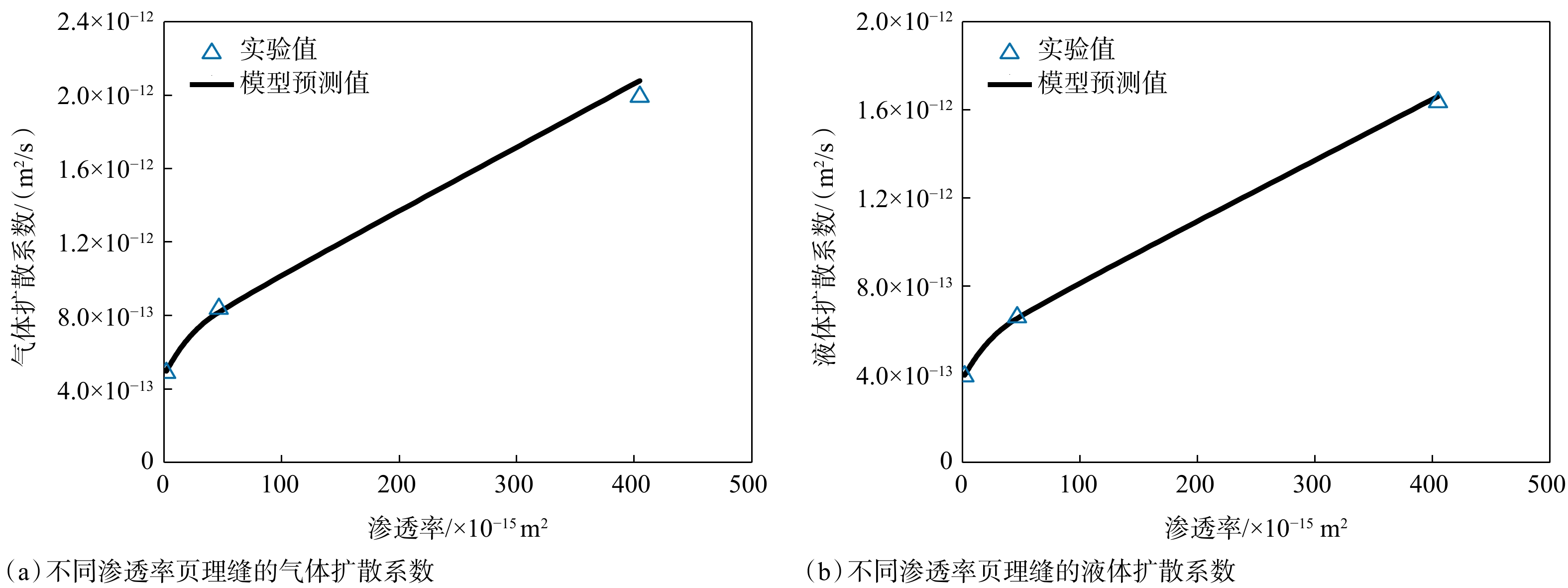
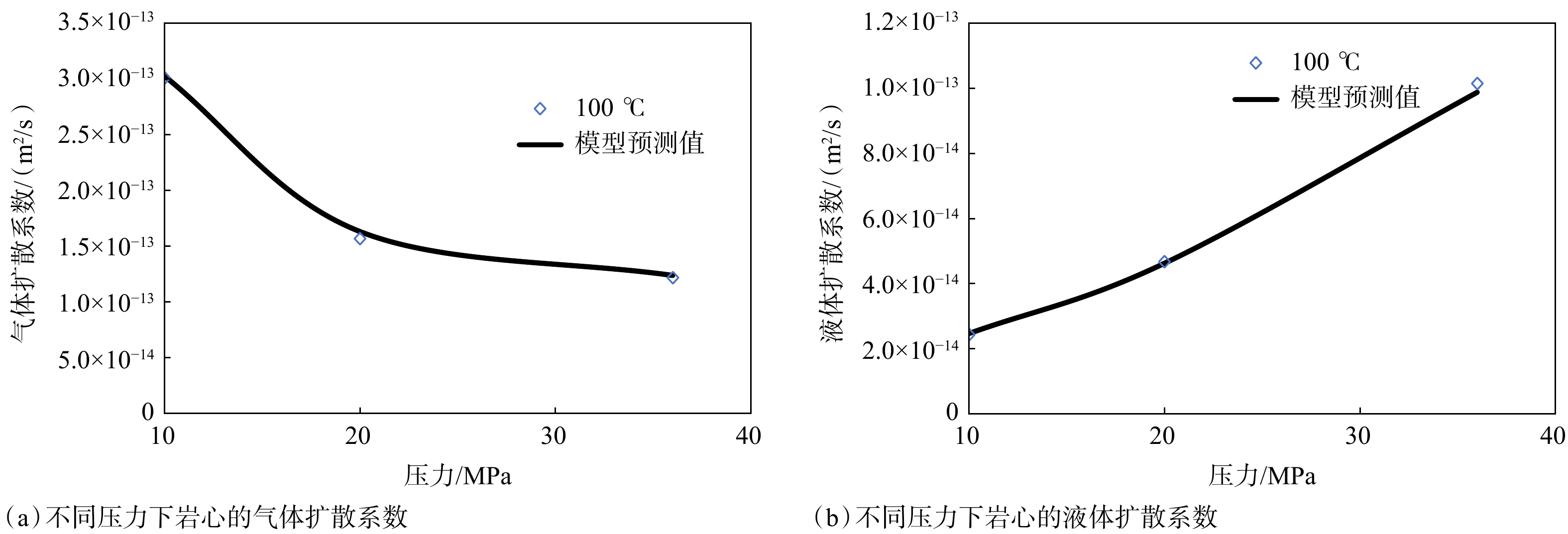
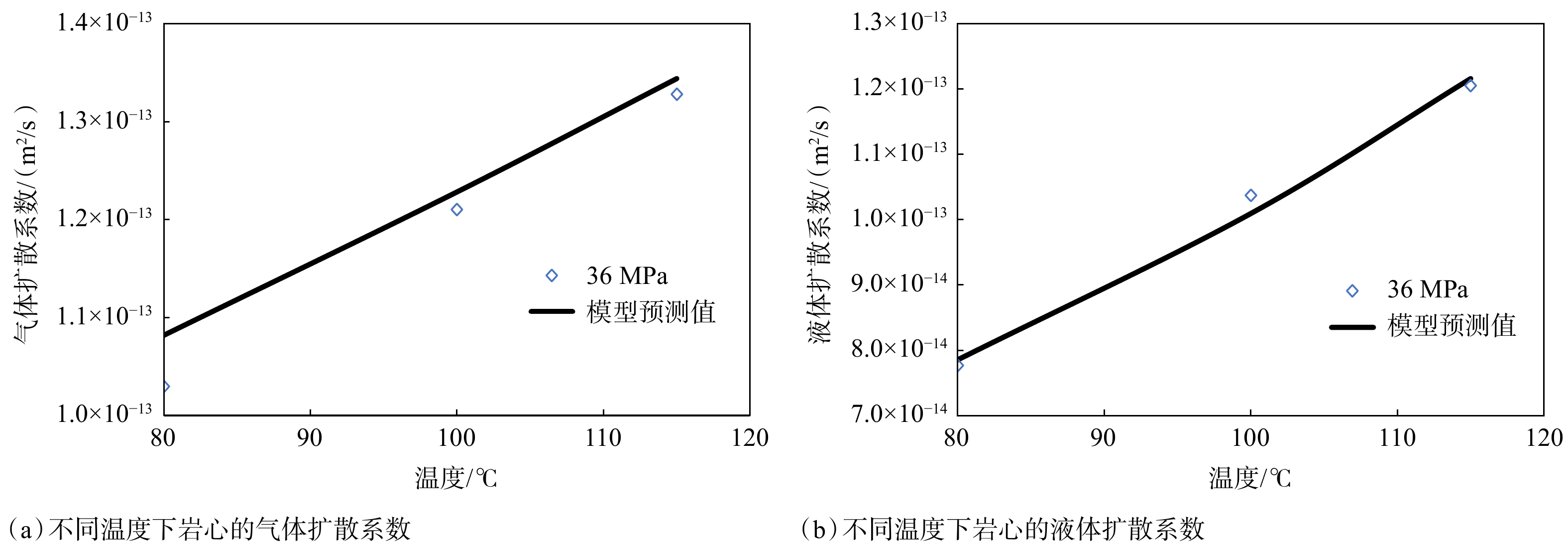
摘要: 针对页岩油气在纳米–微米级孔缝体系中扩散机理不清、传统模型难以实现跨尺度预测的问题,通过结合高温高压扩散实验、分形理论建模与纳米限域效应,系统研究了页岩油气在多尺度孔缝介质中的扩散特征及其主控因素。结果表明,纳米限域效应导致相图内缩和临界点左移,显著削弱受限空间内的扩散能力。孔隙度与渗透率是主要结构控制因素:当孔隙度由5.68%增至10.53%时,气液扩散系数均提高约一个数量级;页理缝渗透率由1.69 ×10⁻¹⁵ m2增至404.88 ×10⁻¹⁵ m2时,扩散系数增大约3~4倍。压力升高(10~36 MPa)抑制气相扩散而增强液相扩散,温度升高(80~115 ℃)整体促进扩散。构建的分形–限域模型可准确拟合实验,并揭示有效扩散系数在纳米尺度较体相降低约10−5、裂缝扩散能力高于基质1~2个数量级,实现了多尺度扩散的结构敏感性分析与跨尺度预测。研究成果可为页岩油气扩散机理定量刻画及储层开发优化提供理论支撑。Abstract:
Objective To elucidate the diffusion mechanisms of shale oil and gas in nano- to microscale pore-fracture systems and overcome the limitations of conventional models in cross-scale prediction, this study investigates the diffusion characteristics and controlling factors of shale fluids across multiscale porous media. Methods High-temperature and high-pressure diffusion experiments were conducted on matrix and bedding-fractured core samples with varying petrophysical properties. A multiscale diffusion model was developed by coupling fractal theory, a tortuous capillary-bundle representation, and a confinement-corrected Peng–Robinson equation of state to account for pore-size distribution, tortuosity, phase saturation, and nanoscale fluid–wall interactions. Results Nanoscale confinement leads to phase-diagram contraction and a leftward shift of the critical point, substantially weakening diffusion capacity in confined spaces. Porosity and permeability are the primary structural controls: when porosity increases from 5.68% to 10.53%, gas and liquid diffusion coefficients increase by approximately one order of magnitude; when bedding-fracture permeability increases from 1.69 ×10⁻¹⁵ m2 to 404.88 ×10⁻¹⁵ m2, diffusion coefficients rise by about three to four times. Increasing pressure (10~36 MPa) suppresses gas-phase diffusion but enhances liquid-phase diffusion, whereas higher temperatures (80~115 °C) promote diffusion overall. Conclusions The proposed fractal–confinement diffusion model accurately matches the experimental results and reveals key nanoscale mechanisms, including a ~10−5 reduction in effective diffusivity relative to bulk fluids and diffusion capacities in fractures that exceed those of the matrix by one to two orders of magnitude. Significance This model enables structural-sensitivity analysis and cross-scale prediction of diffusion processes, providing theoretical support for the quantitative characterization of shale-fluid migration and the optimization of reservoir development. -
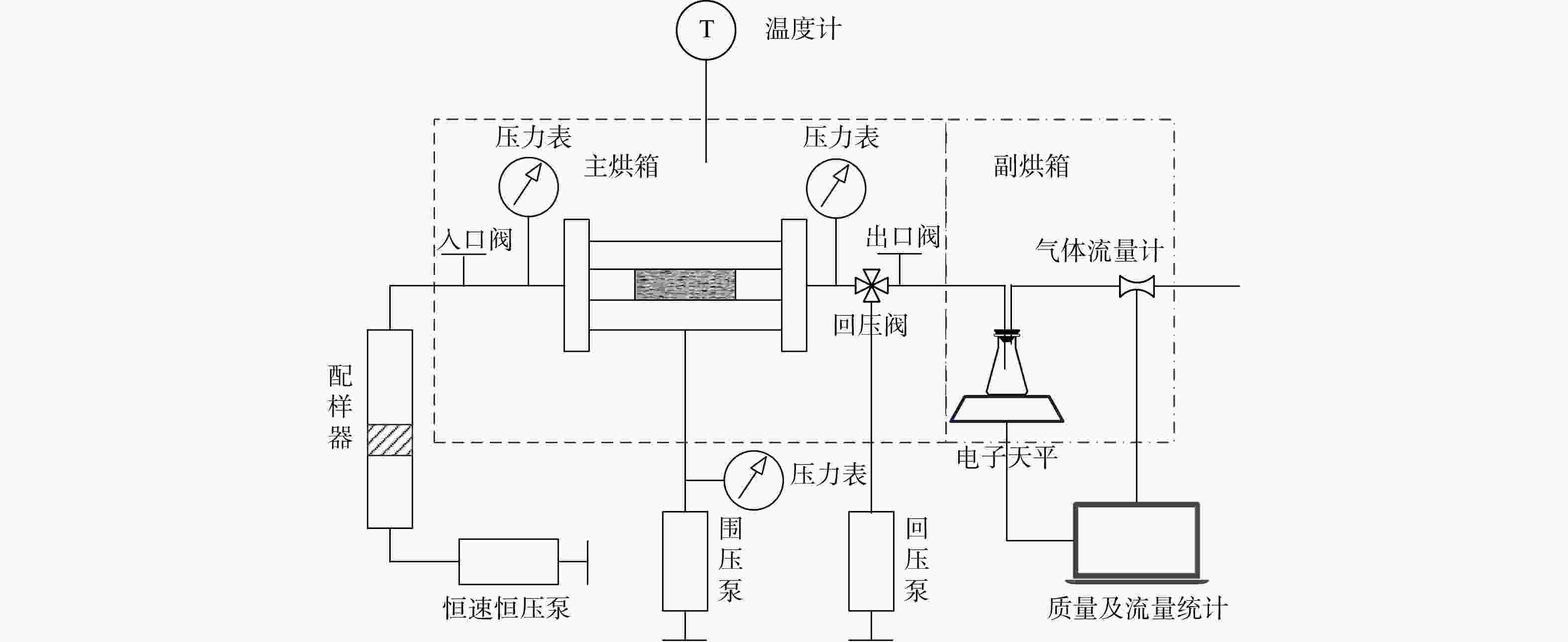
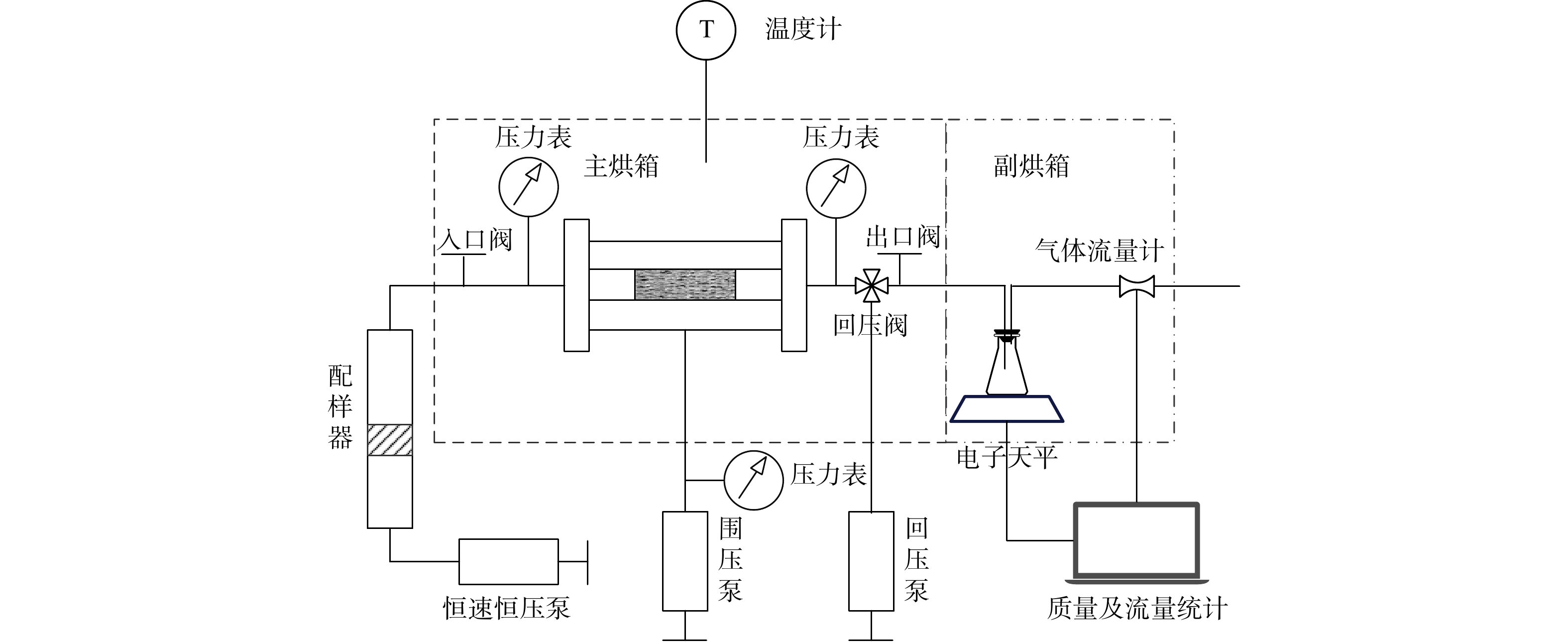
图 1 物理模拟实验流程
Figure 1. Schematic diagram of the experimental setup and workflow for physical simulation
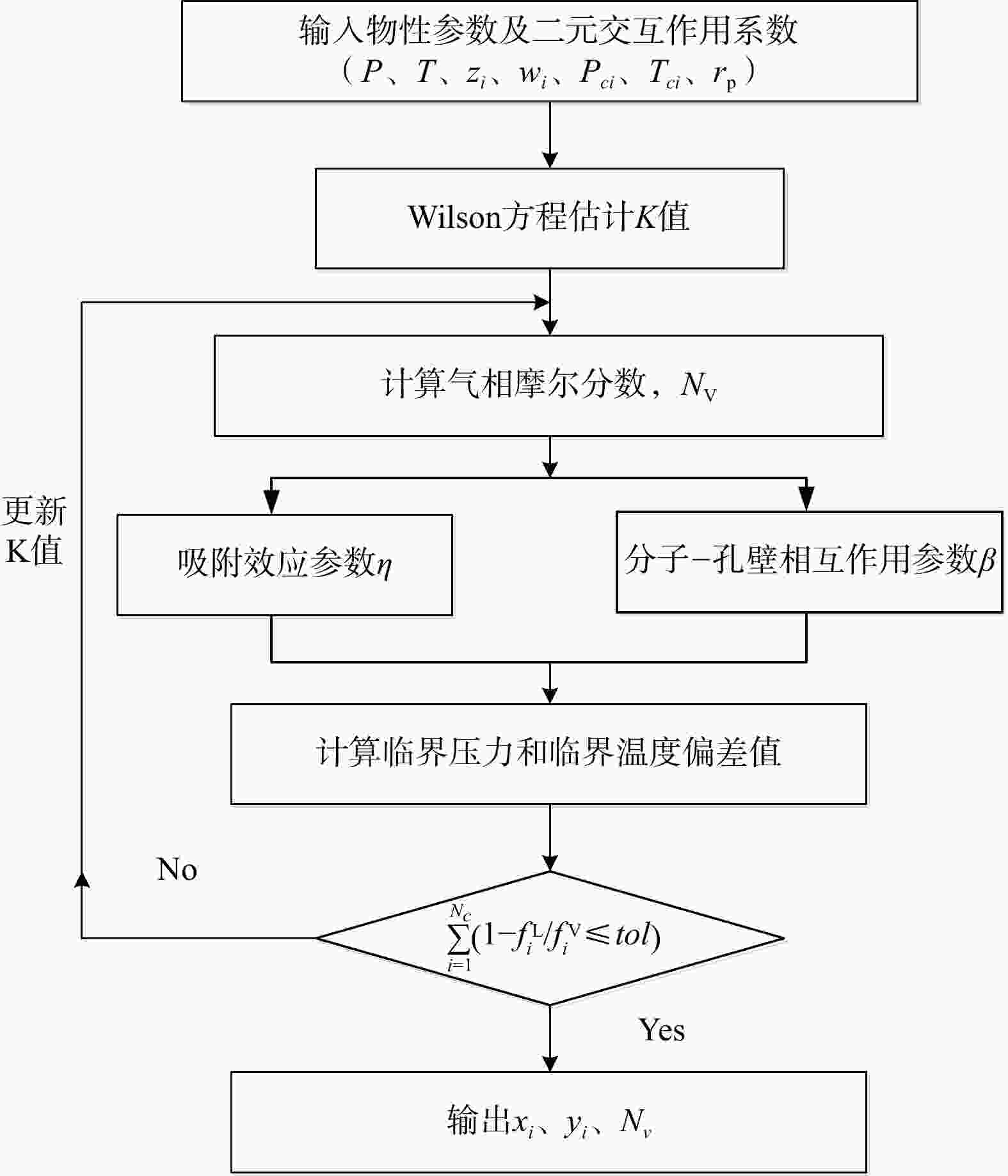
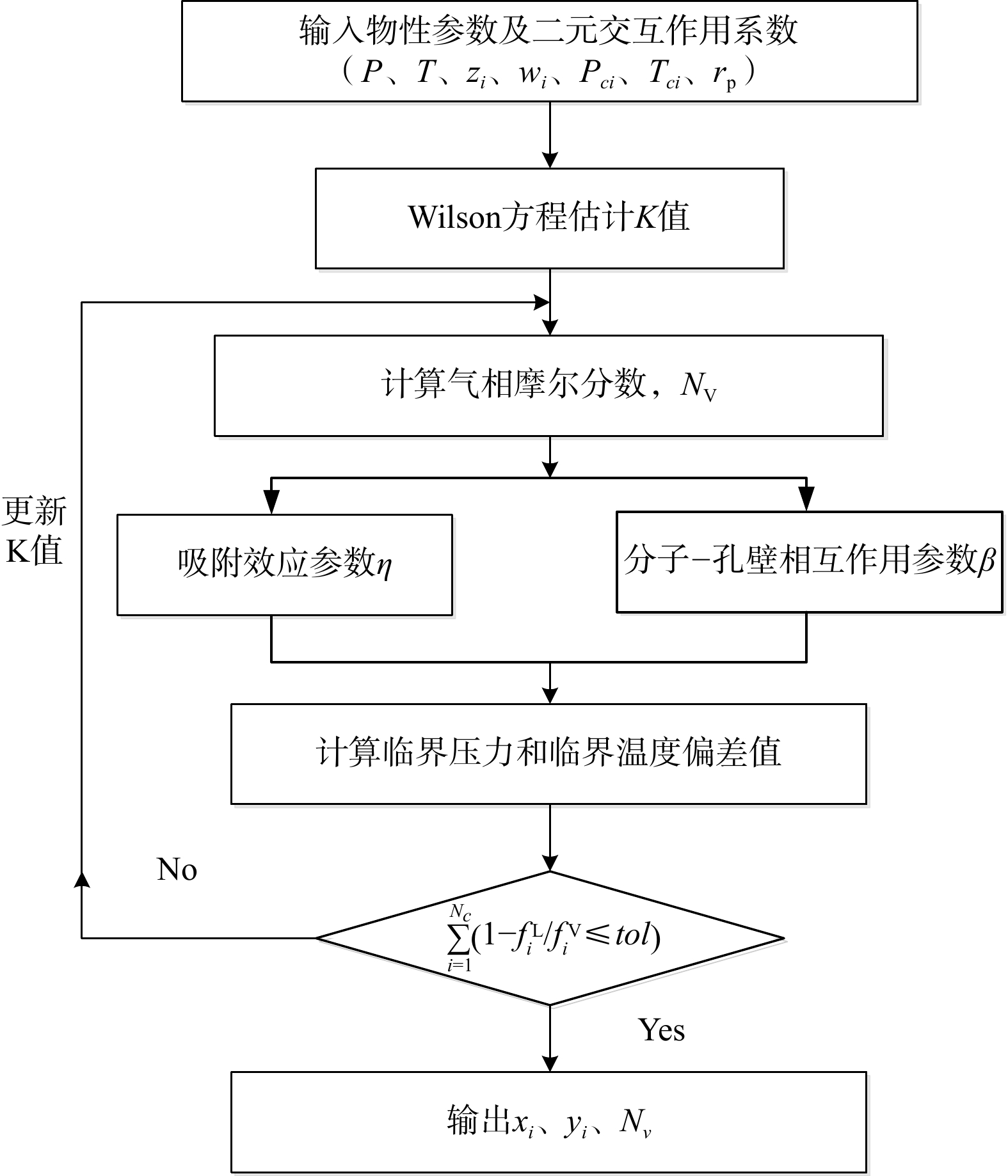
图 2 相平衡计算流程图
zi—组分i的总体摩尔分数,无量纲;ωi—组分i的偏心因子,无量纲;Pci—组分i的临界压力,MPa;Tci—组分i的临界温度,K;Ki—组分i的气液平衡比,无量纲;NV—气相摩尔分率,无量纲;yi—组分i在气相中的摩尔分数,无量纲;fiL、fiV—组分i在液相、气相中的逸度,MPa;tol—相平衡迭代收敛容限,无量纲;其余变量符号含义同公式
Figure 2. Flowchart of phase equilibrium calculations
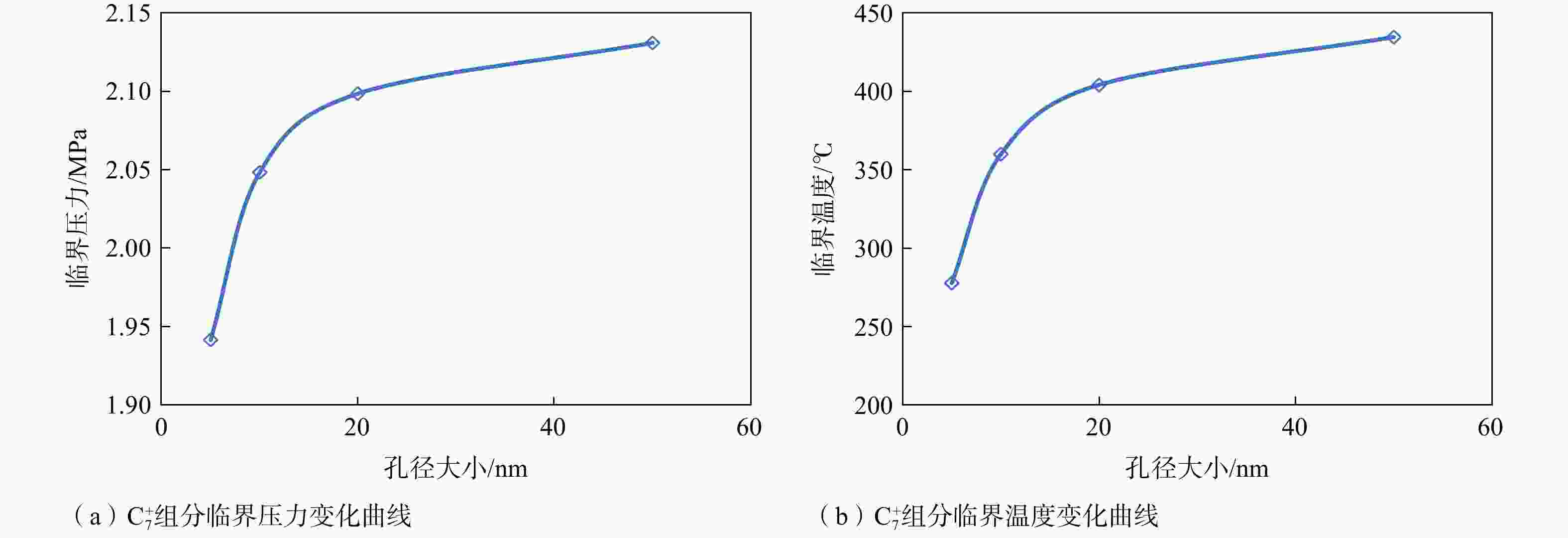
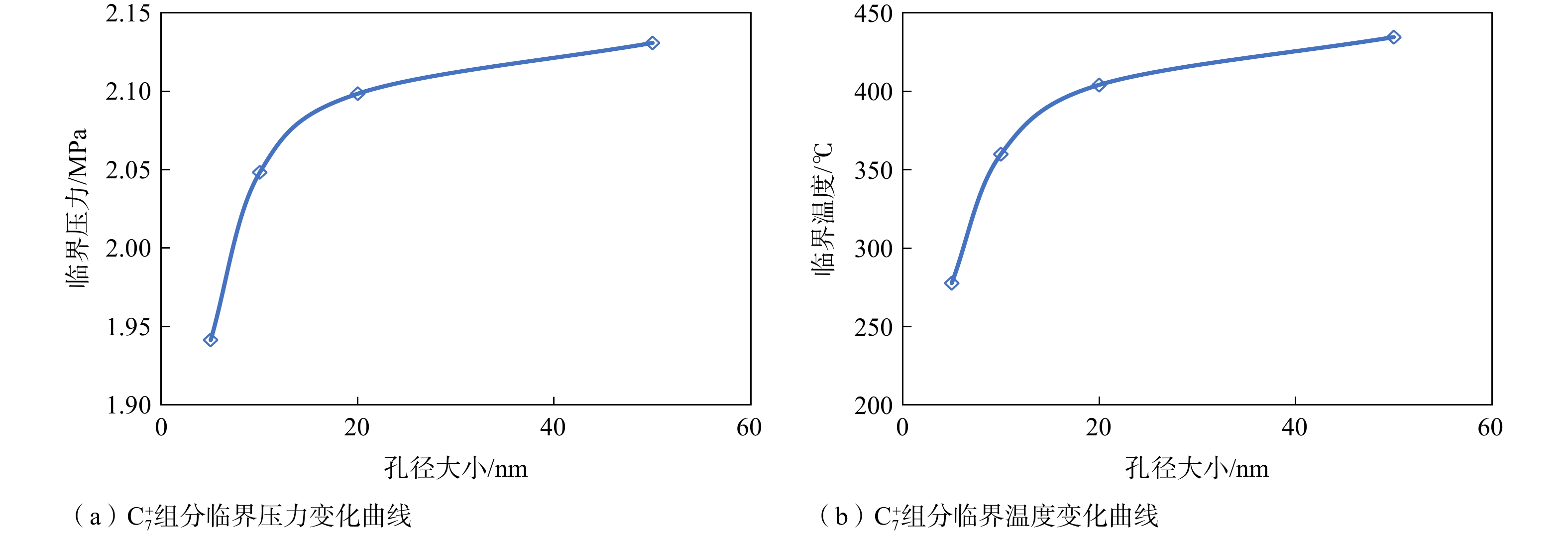
图 4 $\mathrm{C}_7^{+} $组分临界点参数变化曲线
Figure 4. Critical parameter shifts of the $\mathrm{C}_7^{+} $ fraction
(a) Critical pressure shift of the $\mathrm{C}_7^{+} $ fraction; (b) Critical temperature shift of the $\mathrm{C}_7^{+} $ fraction
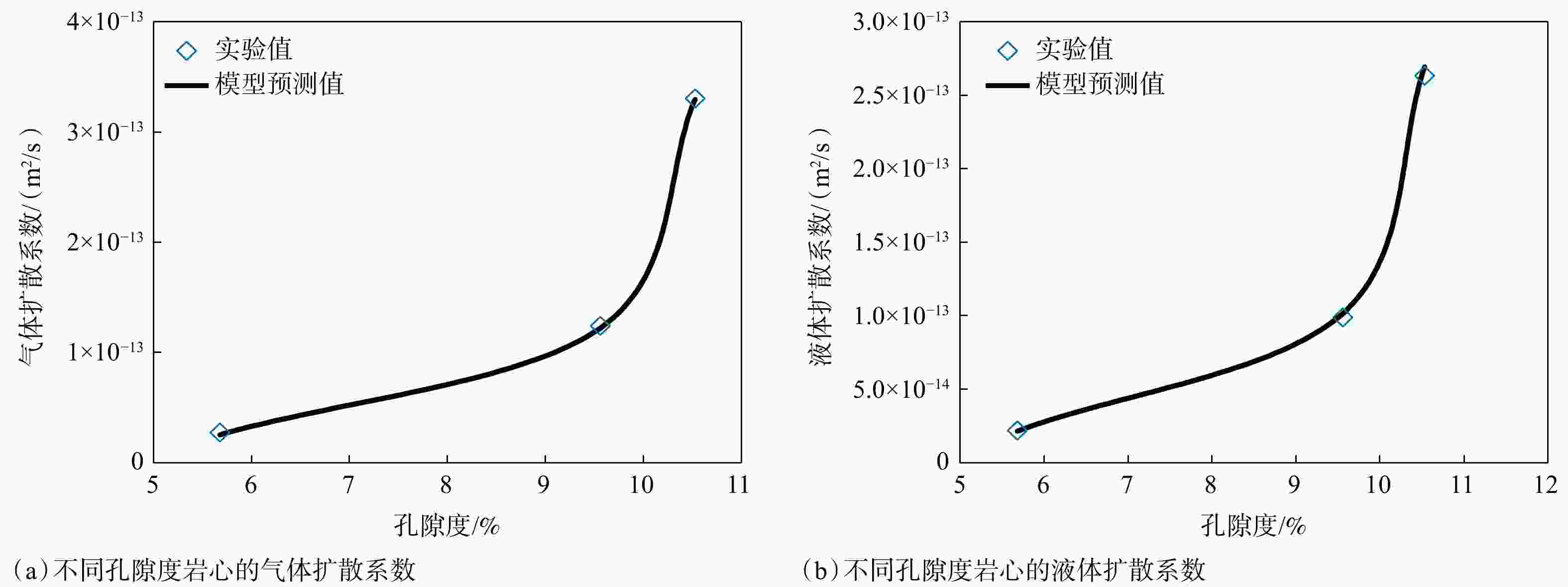
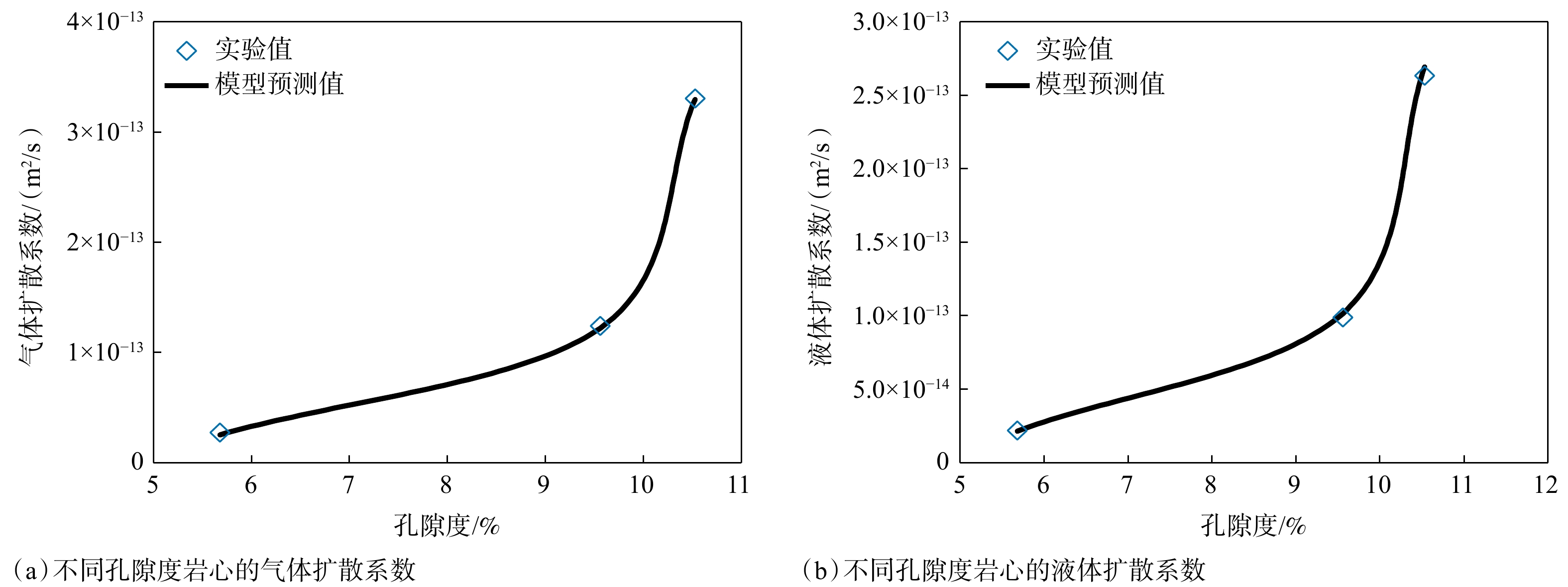
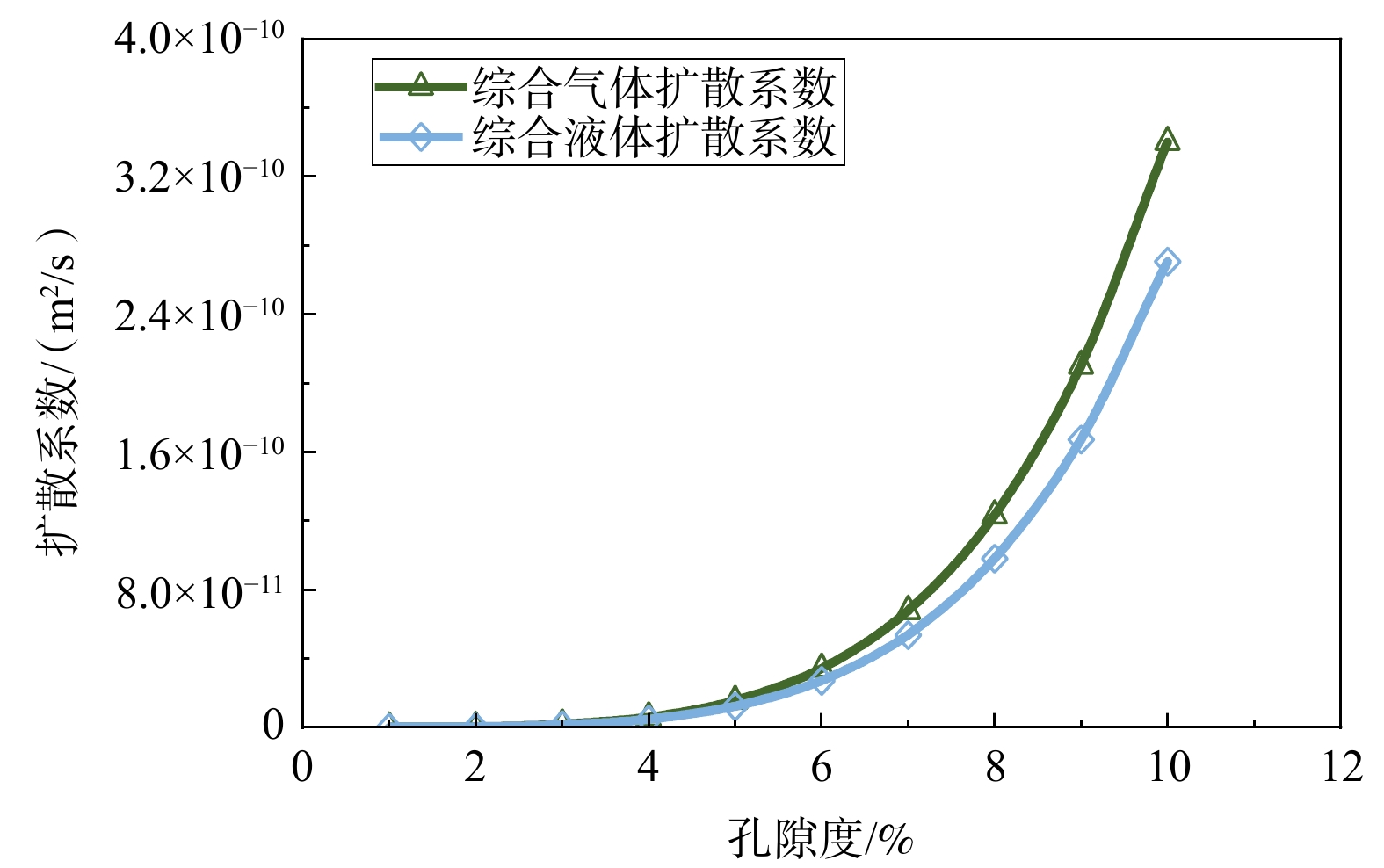
图 5 不同孔隙度岩芯的流体扩散系数
Figure 5. Fluid diffusion coefficients in core samples with varying porosities
(a) Gas diffusion coefficients in core samples with varying porosities; (b) Liquid diffusion coefficients in core samples with varying porosities
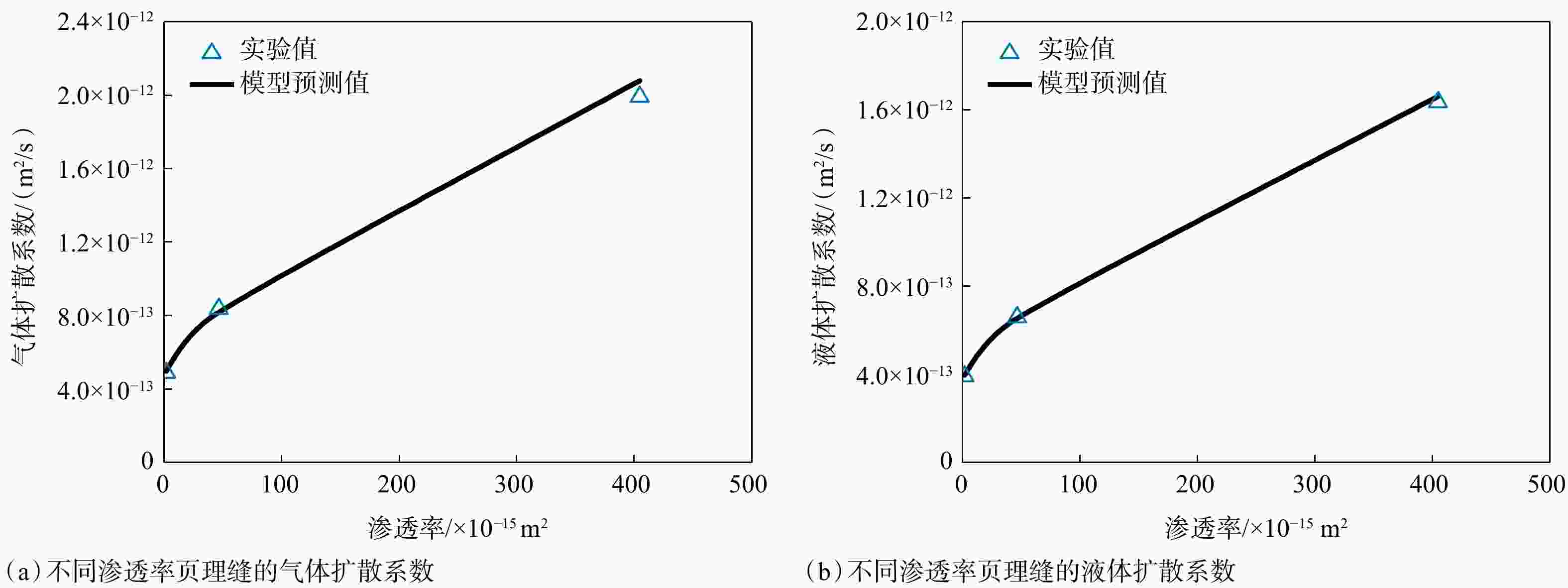
图 6 不同页理缝的流体扩散系数
Figure 6. Fluid diffusion coefficients in bedding fractures
(a) Gas diffusion coefficients of bedding-fractured core samples with varying permeabilities; (b) Liquid diffusion coefficients of bedding-fractured core samples with varying permeabilities
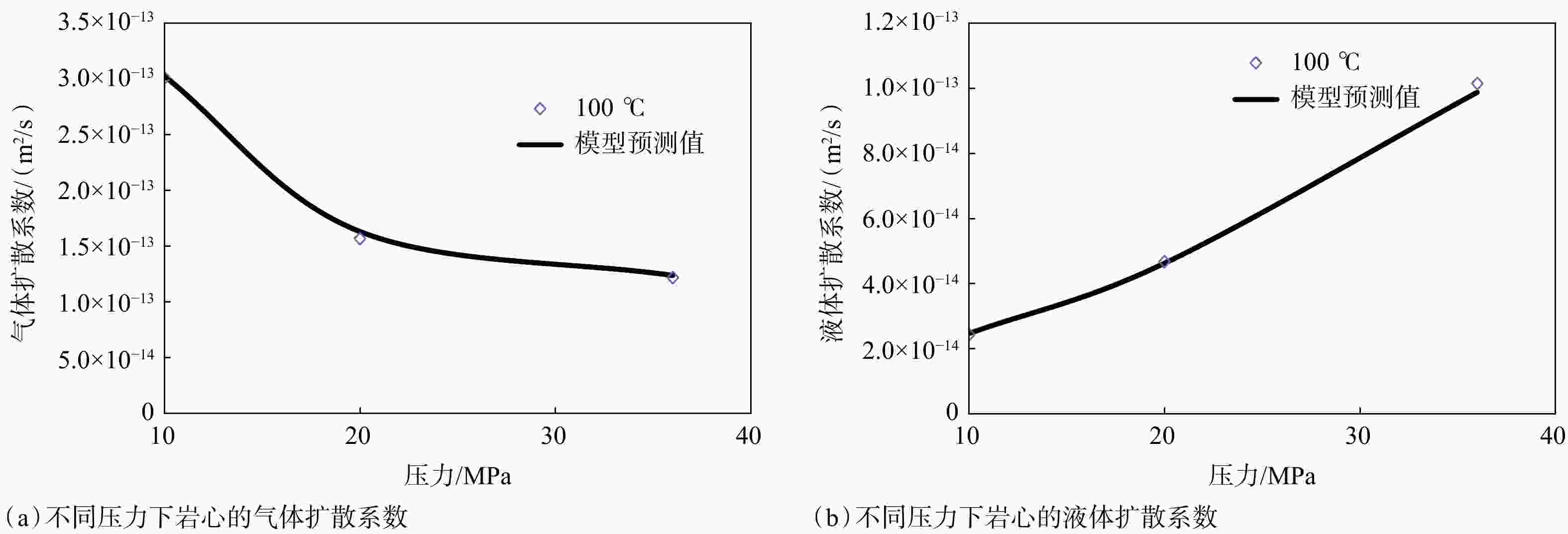
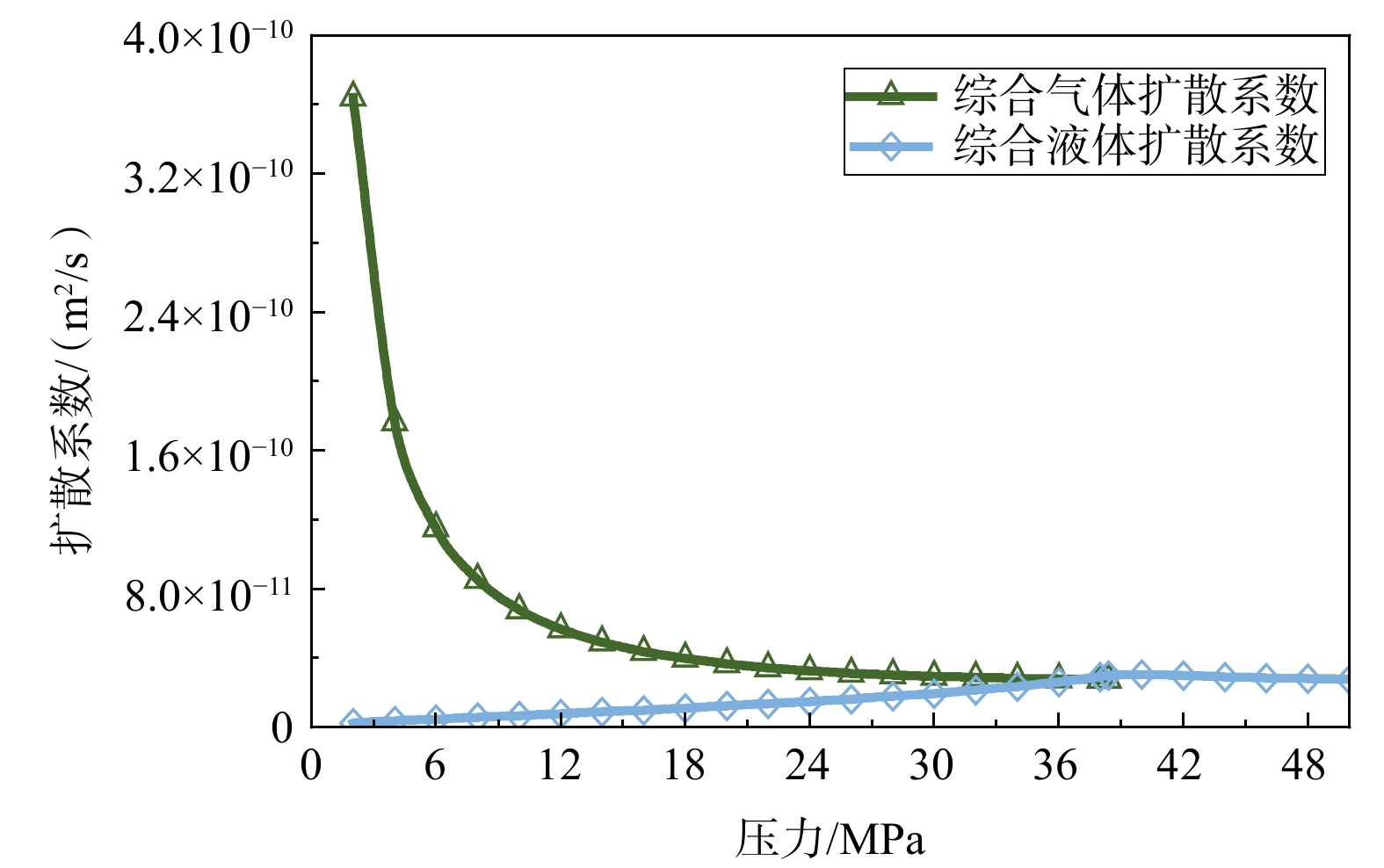
图 7 不同压力下岩芯的流体扩散系数
Figure 7. Fluid diffusion coefficients in core samples under varying pressures
(a) Gas diffusion coefficients in core samples under varying pressures; (b) Liquid diffusion coefficients in core samples under varying pressures
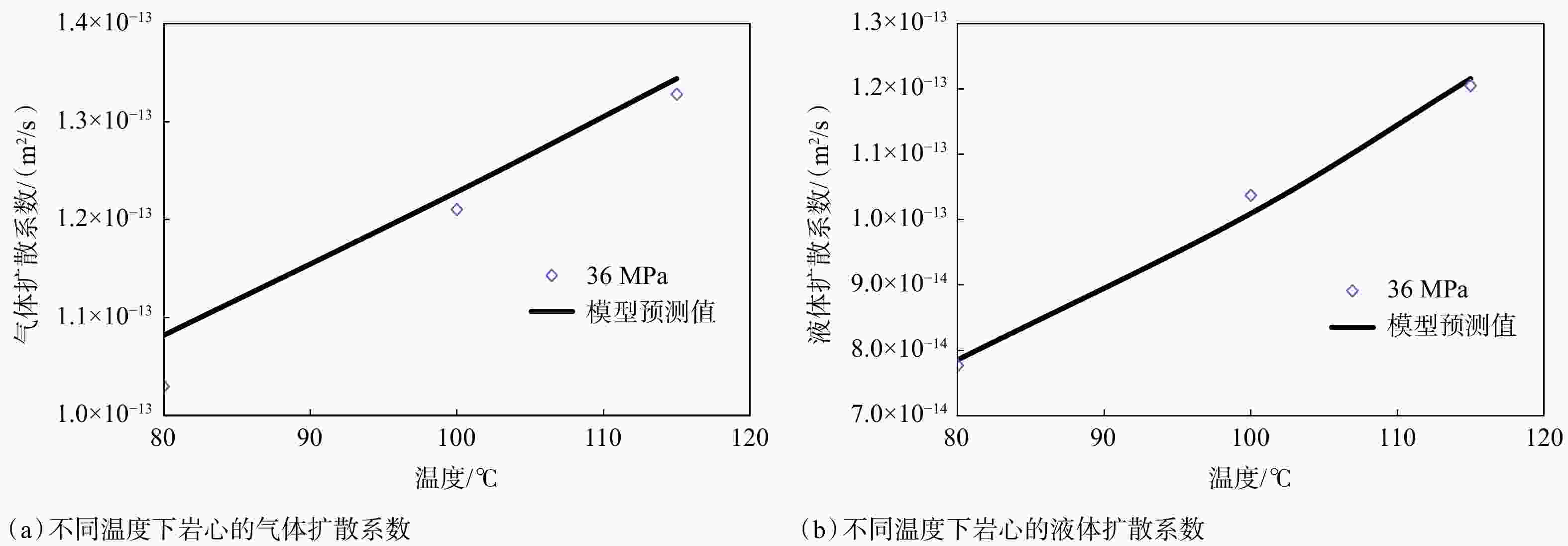
图 8 不同温度下岩芯的流体扩散系数
Figure 8. Fluid diffusion coefficients in core samples under varying temperatures (a) Gas diffusion coefficients in core samples under varying temperatures; (b) Liquid diffusion coefficients in core samples under varying temperatures
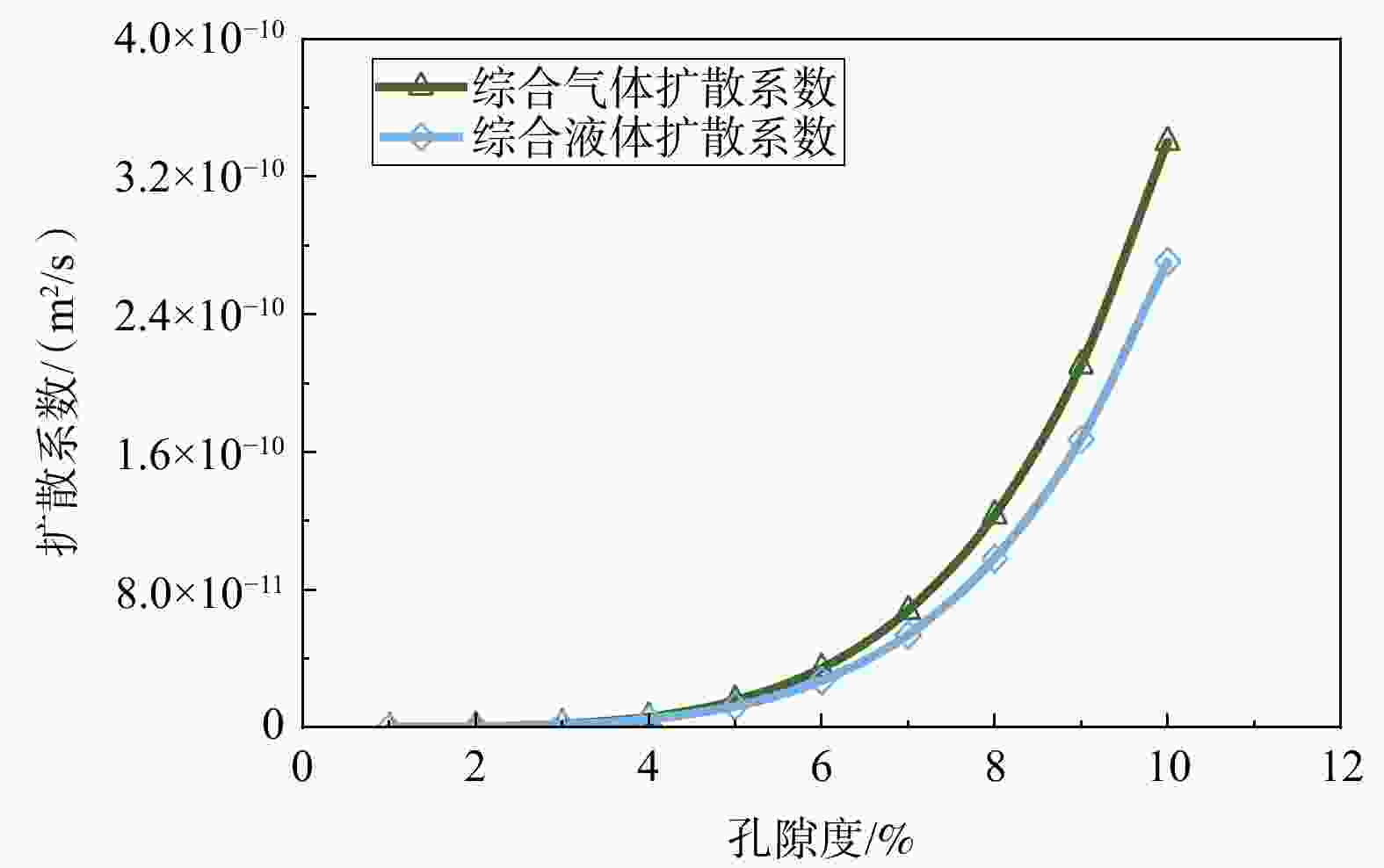
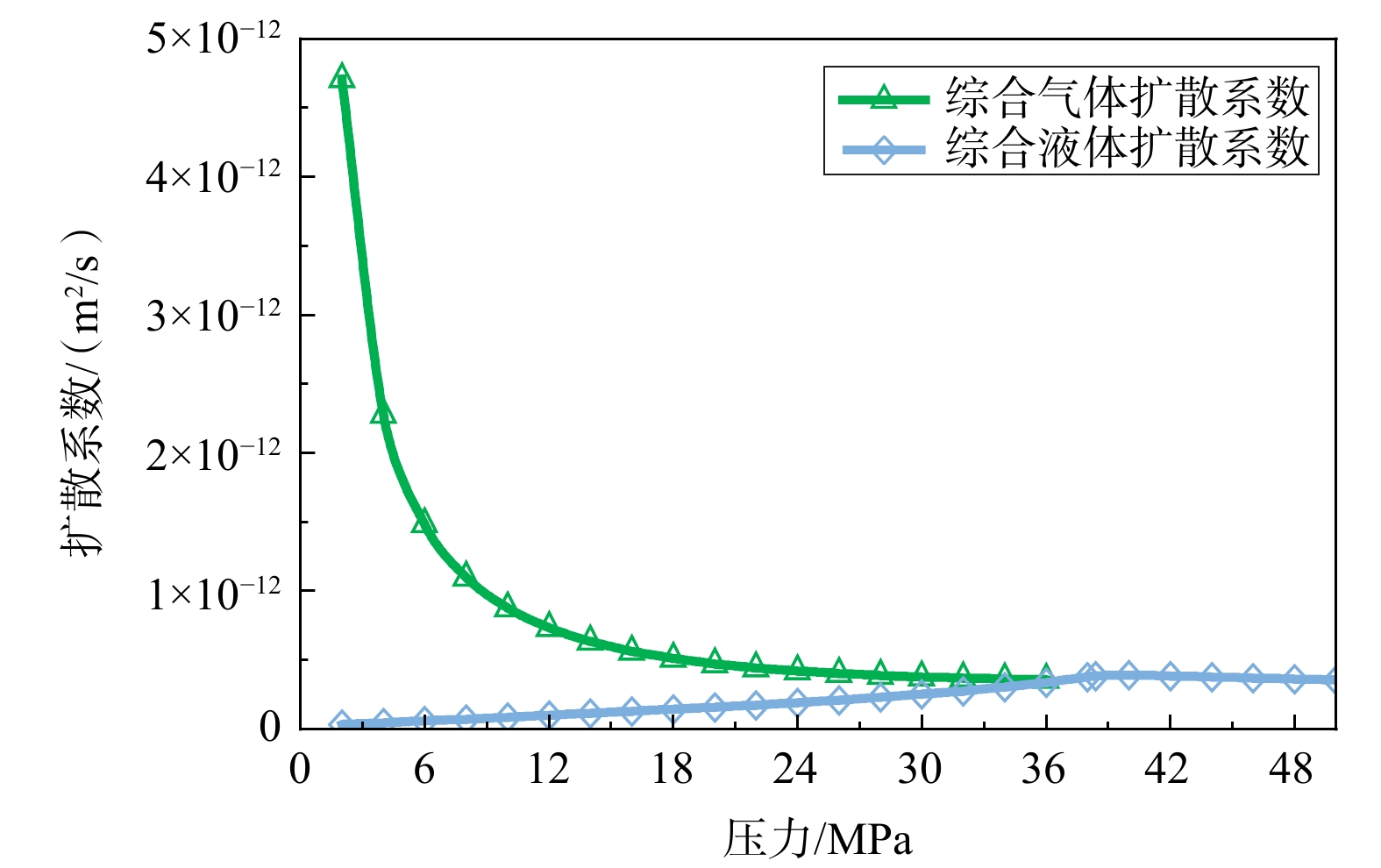
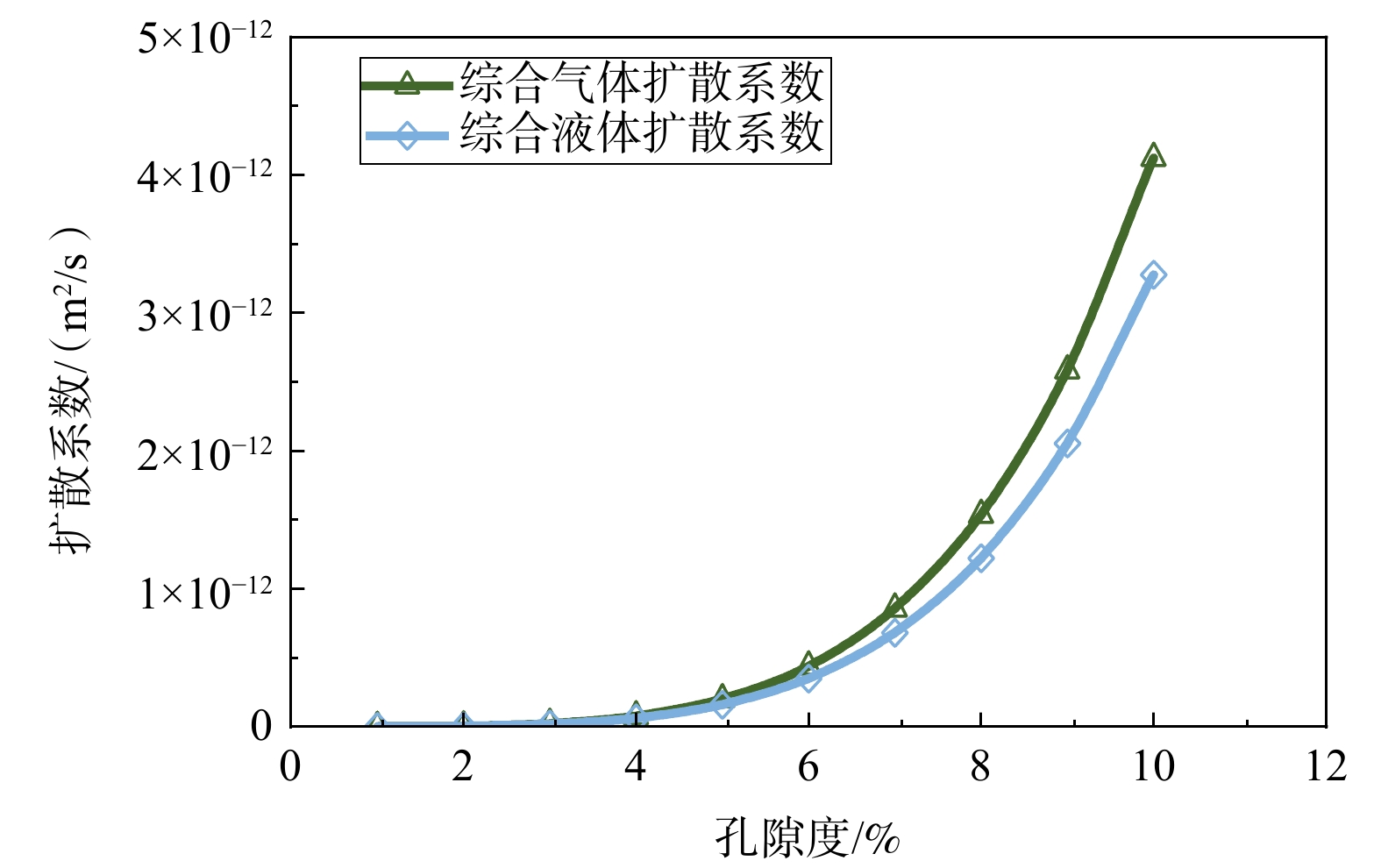
图 12 不同孔隙度页理缝的扩散系数
Figure 12. Bedding-fracture diffusion coefficients across varying porosities
表 1 实验岩芯物性特征
Table 1. Petrophysical properties of experimental core samples
类别 岩芯编号 长度/cm 直径/cm 孔隙度/% 渗透率/×10−15 m2 基质岩芯 Q2 4.86 2.55 9.56 0.0652 Q3-2 5.07 2.53 10.53 1.1990 Q9-1 5.03 2.53 5.68 0.0129 页理缝岩芯 Q2-1 5.03 2.55 6.88 46.7000 Q2-2 4.78 2.53 8.80 404.8900 Q3-1 4.95 2.54 4.98 1.6900  下载: 导出CSV
-
[1] BAUMEISTER C, KOROBILIS D, LEE T K, 2022. Energy markets and global economic conditions[J]. The Review of Economics and Statistics, 104(4): 828-844. doi: 10.1162/rest_a_00977 [2] CAI J C, YU B M, ZOU M Q, et al., 2010. Fractal characterization of spontaneous co-current imbibition in porous media[J]. Energy & Fuels, 24(3): 1860-1867. doi: 10.1021/ef901413p [3] CHANDRA D, VISHAL V, BAHADUR J, et al., 2022. Nano-scale physicochemical attributes and their impact on pore heterogeneity in shale[J]. Fuel, 314: 123070. doi: 10.1016/j.fuel.2021.123070 [4] CHEN L, HU Z M, XIONG W, et al., 2020. Diffusion experiment of shale gas and mathematical model[J]. Natural Gas Geoscience, 31(9): 1285-1293. (in Chinese with English abstract) [5] CHEN M J, KANG Y L, ZHANG T S, et al., 2018. Characteristics of multiscale mass transport and coordination mechanisms for shale gas[J]. Scientia Sinica Technologica, 48(5): 473-487. (in Chinese with English abstract) doi: 10.1360/n092017-00202 [6] DARABI H, ETTEHAD A, JAVADPOUR F, et al., 2012. Gas flow in ultra-tight shale strata[J]. Journal of Fluid Mechanics, 710: 641-658. doi: 10.1017/jfm.2012.424 [7] FU E Q, HE W D, 2024. The development and utilization of shale oil and gas resources in China and economic analysis of energy security under the background of global energy crisis[J]. Journal of Petroleum Exploration and Production Technology, 14(8): 2315-2341. doi: 10.1007/s13202-024-01818-3 [8] General Administration of Quality Supervision, Inspection and Quarantine of the People's Republic of China, Standardization Administration of the People's Republic of China, 2013. Practices for core analysis: GB/T 29172-2012[S]. Beijing: Standards Press of China. (in Chinese) [9] GUO X S, WANG R Y, SHEN B J, et al., 2025. Geological characteristics, resource potential, and development direction of shale gas in China[J]. Petroleum Exploration and Development, 52(1): 15-28. (in Chinese with English abstract) [10] HSU Y D, TANG M, CHEN Y P, 2000. A group contribution correlation of the mutual diffusion coefficients of binary liquid mixtures[J]. Fluid Phase Equilibria, 173(1): 1-21. doi: 10.1016/s0378-3812(00)00389-7 [11] HU B W, REN Y J, SUN R, et al., 2024. Heterogeneity properties and permeability of shale matrix at Nano-scale and micron-scale[J]. Physics of Fluids, 36(9): 096613. doi: 10.1063/5.0223200 [12] HU Y H, LIU G N, LUO N, et al., 2022. Multi-field coupling deformation of rock and multi-scale flow of gas in shale gas extraction[J]. Energy, 238: 121666. doi: 10.1016/j.energy.2021.121666 [13] KANG Y L, LAI Z H, CHEN M J, et al., 2022. Stress sensitivity experiments of shale gas diffusion coefficients based on the pressure decay method[J]. Natural Gas Industry, 42(2): 59-70. (in Chinese with English abstract) [14] LELAND T W, ROWLINSON J S, SATHER G A, 1968. Statistical thermodynamics of mixtures of molecules of different sizes[J]. Transactions of the Faraday Society, 64: 1447-1460. doi: 10.1039/tf9686401447 [15] LI W G, ZHONG B, YANG H Z, et al., 2016. A new method for gas diffusivity evaluation in matrix rocks of shale reservoir[J]. Acta Petrolei Sinica, 37(1): 88-96. (in Chinese with English abstract) [16] LI Y X, LIU X G, HU Z M, et al., 2017. A new method for the transport mechanism coupling of shale gas slippage and diffusion[J]. Acta Physica Sinica, 66(11): 114702. (in Chinese with English abstract) doi: 10.7498/aps.66.114702 [17] LI Z Y, LEI Z D, SHEN W J, et al., 2023. A comprehensive review of the oil flow mechanism and numerical simulations in shale oil reservoirs[J]. Energies, 16(8): 3516. doi: 10.3390/en16083516 [18] LIU S J, YUE W H, LIU Y Y, et al., 2026. Assessment of shale gas enrichment factors and delineation of favorable exploration zones in the first submember of the first member of the Longmaxi Formation, Tiangongtang area, southwestern Sichuan[J]. Journal of Geomechanics, 32(1): 31-48. (in Chinese with English abstract) [19] LIU Y H, QIANG W, DANG X, et al., 2025. Study on the pore structure characteristics of interbedded shale oil and formation mechanisms of high-quality shale oil reservoirs in the Chang 7 Member, Yanchang Formation, Ansai Oilfield[J]. Journal of Geomechanics, 31(3): 506-521. (in Chinese with English abstract) [20] LIU Y W, GAO D P, LI Q, et al., 2019. Mechanical frontiers in shale-gas development[J]. Advances in Mechanics, 49(1): 201901. (in Chinese with English abstract) [21] MI L D, JIANG H Q, LI J J, et al., 2014. Mechanism of the gas diffusion in shale reservoirs[J]. Petroleum Geology & Oilfield Development in Daqing, 33(1): 154-159. (in Chinese with English abstract) [22] PENG D Y, ROBINSON D B, 1976. A new two-constant equation of state[J]. Industrial & Engineering Chemistry Fundamentals, 15(1): 59-64. doi: 10.1021/i160057a011 [23] REN J H, REN X H, SONG H Q, et al., 2020. Adsorption and diffusion characteristics of methane in nanopores based on molecular simulation[J]. Acta Petrolei Sinica, 41(11): 1366-1375. (in Chinese with English abstract) [24] SALAMA A, AMIN M F E, KUMAR K, et al., 2017. Flow and transport in tight and shale formations: a review[J]. Geofluids, 2017: 4251209. doi: 10.1155/2017/4251209 [25] SHENG M, LI G S, HUANG Z W, et al., 2014. Shale gas transient flow model with effects of surface diffusion[J]. Acta Petrolei Sinica, 35(2): 347-352. (in Chinese with English abstract) [26] SONG H S, LI B B, LI J H, et al., 2023. An apparent permeability model in organic shales: Coupling multiple flow mechanisms and factors[J]. Langmuir, 39(11): 3951-3966. doi: 10.1021/acs.langmuir.2c03277 [27] State Administration for Market Regulation, Standardization Administration, 2020. Technical requirements for determination of gas diffusion coefficient in shale reservoir: GB/T 39539-2020[S]. Beijing: Standards Press of China. (in Chinese) [28] SU Y L, SHENG G L, WANG W D, et al., 2018. Characterization methods for mass transfer of multiple media in shale gas reservoirs[J]. Scientia Sinica Technologica, 48(5): 510-523. (in Chinese with English abstract) doi: 10.1360/n092017-00201 [29] VÁGNER P, PAVELKA M, FUHRMANN J, et al., 2022. A multiscale thermodynamic generalization of Maxwell-Stefan diffusion equations and of the dusty gas model[J]. International Journal of Heat and Mass Transfer, 199: 123405. doi: 10.1016/j.ijheatmasstransfer.2022.123405 [30] WANG G Z, JIANG Z X, TANG X L, et al., 2023. Critical conditions and capabilities of shale gas diffusion and seepage types in the Longmaxi Formation in Jiaoshiba area, Sichuan basin[J]. Acta Geologica Sinica, 97(1): 210-220. (in Chinese with English abstract) [31] WU K L, LI X F, CHEN Z X, 2015. A model for gas transport through nanopores of shale gas reservoirs[J]. Acta Petrolei Sinica, 36(7): 837-848, 889. (in Chinese with English abstract) [32] XU P, 2015. A discussion on fractal models for transport physics of porous media[J]. Fractals, 23(3): 1530001. doi: 10.1142/S0218348X15300019 [33] ZHANG P, et al., 2015. Micro/nano-pore network analysis of gas flow in shale matrix[J]. Scientific reports, 5(1): 13501 [34] ZHAO W Z, HU S Y, HOU L H, et al, 2020. Types and resource potential of continental shale oil in China and its boundary with tight oil[J]. Petroleum Exploration and Development, 47(1): 1-11. (in Chinese with English abstract) [35] ZHU W Y, QI Q, 2016. Study on the multi-scale nonlinear flow mechanism and model of shale gas[J]. Scientia Sinica Technologica, 46(2): 111-119. (in Chinese with English abstract) [36] ZOU C N, DONG D Z, XIONG W, et al, 2024. Advances, challenges, and countermeasures in shale gas exploration of underexplored plays, sequences and new types in China[J]. Oil & Gas Geology, 45(2): 309-326. (in Chinese with English abstract) [37] ZOU Y, WANG G J, LU L, et al, 2021. Simulation experiment and mathematical model analysis for shale gas diffusion in nano-scale pores[J]. Petroleum Geology & Experiment, 43(5): 844-854. (in Chinese with English abstract) [38] 陈璐, 胡志明, 熊伟, 等, 2020. 页岩气扩散实验与数学模型[J]. 天然气地球科学, 31(9): 1285-1293. doi: 10.11764/j.issn.1672-1926.2020.05.003 [39] 陈明君, 康毅力, 张廷山, 等, 2018. 页岩气多尺度传质特征及过程协调机制研究[J]. 中国科学: 技术科学, 48(5): 473-487. doi: 10.1360/N092017-00202 [40] 国家市场监督管理总局, 国家标准化管理委员会, 2020. 页岩储层气体扩散系数的测定技术要求: GB/T 39539-2020[S]. 北京: 中国标准出版社. [41] 郭旭升, 王濡岳, 申宝剑, 等, 2025. 中国页岩气地质特征、资源潜力与发展方向[J]. 石油勘探与开发, 52(1): 15-28. doi: 10.11698/PED.20240380 [42] 康毅力, 赖哲涵, 陈明君, 等, 2022. 基于压力衰减法的页岩气体扩散系数应力敏感性实验[J]. 天然气工业, 42(2): 59-70. doi: 10.3787/j.issn.1000-0976.2022.02.007 [43] 李武广, 钟兵, 杨洪志, 等, 2016. 页岩储层基质气体扩散能力评价新方法[J]. 石油学报, 37(1): 88-96. doi: 10.7623/syxb201601008 [44] 李亚雄, 刘先贵, 胡志明, 等, 2017. 页岩气滑脱、扩散传输机理耦合新方法[J]. 物理学报, 66(11): 114702. doi: 10.7498/aps.66.114702 [45] 刘胜军, 岳文翰, 刘永旸, 等, 2026. 川西南天宫堂地区龙一段1亚段页岩气富集条件及勘探有利区评价[J]. 地质力学学报, 32(1): 31-48. doi: 10.12090/j.issn.1006-6616.2025103 [46] 刘雨航, 强微, 党鑫, 等, 2025. 安塞油田延长组7段夹层型页岩油储层孔隙结构特征及优质储层成因机制研究[J]. 地质力学学报, 31(3): 506-521. doi: 10.12090/j.issn.1006-6616.2025011 [47] 刘曰武, 高大鹏, 李奇, 等, 2019. 页岩气开采中的若干力学前沿问题[J]. 力学进展, 49(1): 201901. doi: 10.6052/1000-0992-17-020 [48] 糜利栋, 姜汉桥, 李俊键, 等, 2014. 页岩储层气体扩散机理[J]. 大庆石油地质与开发, 33(1): 154-159. doi: 10.3969/J.ISSN.1000-3754.2014.01.030 [49] 任俊豪, 任晓海, 宋海强, 等, 2020. 基于分子模拟的纳米孔内甲烷吸附与扩散特征[J]. 石油学报, 41(11): 1366-1375. doi: 10.7623/syxb202011006 [50] 盛茂, 李根生, 黄中伟, 等, 2014. 考虑表面扩散作用的页岩气瞬态流动模型[J]. 石油学报, 35(2): 347-352. doi: 10.7623/syxb201402016 [51] 苏玉亮, 盛广龙, 王文东, 等, 2018. 页岩气藏多重介质流体跨尺度传质表征方法研究[J]. 中国科学: 技术科学, 48(5): 510-523. doi: 10.1360/N092017-00201 [52] 王国臻, 姜振学, 唐相路, 等, 2023. 四川盆地焦石坝地区龙马溪组页岩气不同传输类型的临界孔径与传输能力[J]. 地质学报, 97(1): 210-220. doi: 10.3969/j.issn.0001-5717.2023.01.014 [53] 吴克柳, 李相方, 陈掌星, 2015. 页岩气纳米孔气体传输模型[J]. 石油学报, 36(7): 837-848, 889. doi: 10.7623/syxb201507008 [54] 赵文智, 胡素云, 侯连华, 等, 2020. 中国陆相页岩油类型、资源潜力及与致密油的边界[J]. 石油勘探与开发, 47(1): 1-10. [55] 中华人民共和国国家质量监督检验检疫总局, 中国国家标准化管理委员会, 2013. 岩心分析方法: GB/T 29172—2012[S]. 北京: 中国标准出版社. [56] 朱维耀, 亓倩, 2016. 页岩气多尺度复杂流动机理与模型研究[J]. 中国科学: 技术科学, 46(2): 111-119. [57] 邹才能, 董大忠, 熊伟, 等, 2024. 中国页岩气新区带、新层系和新类型勘探进展、挑战及对策[J]. 石油与天然气地质, 45(2): 309-326. [58] 邹雨, 王国建, 卢丽, 等, 2021. 纳米孔隙中页岩气扩散模拟实验和数学模型分析[J]. 石油实验地质, 43(5): 844-854. -

 下载:
下载:

计量
- 文章访问数: 365
- HTML全文浏览量: 92
- PDF下载量: 154
- 被引次数: 0
